


Blog
Why Sustainable Fragrance Packaging is Key to Attracting Consumers
Sustainable fragrance packaging meets my desire for eco-friendliness. I appreciate brands that show they care about the environment. When I see products with packaging made from recycled materials or those that offer refillable options, I feel more inclined to buy. This connection between packaging and my values is strong. Brands that align with my beliefs not only attract my attention but also earn my loyalty. Ultimately, I want to support companies that prioritize sustainability.
Key Takeaways
- Sustainable fragrance packaging reduces environmental harm by using recycled, biodegradable, and refillable materials.
- Eco-friendly packaging builds trust and loyalty by showing that brands care about quality and the planet.
- Unique sustainable designs help brands stand out and connect emotionally with consumers who value the environment.
- Consumers increasingly expect transparency and honesty about sustainability, which strengthens brand reputation.
- Innovative packaging like minimalist designs and seed-embedded materials lowers waste and appeals to eco-conscious buyers.
Environmental Benefits of Sustainable Fragrance Packaging
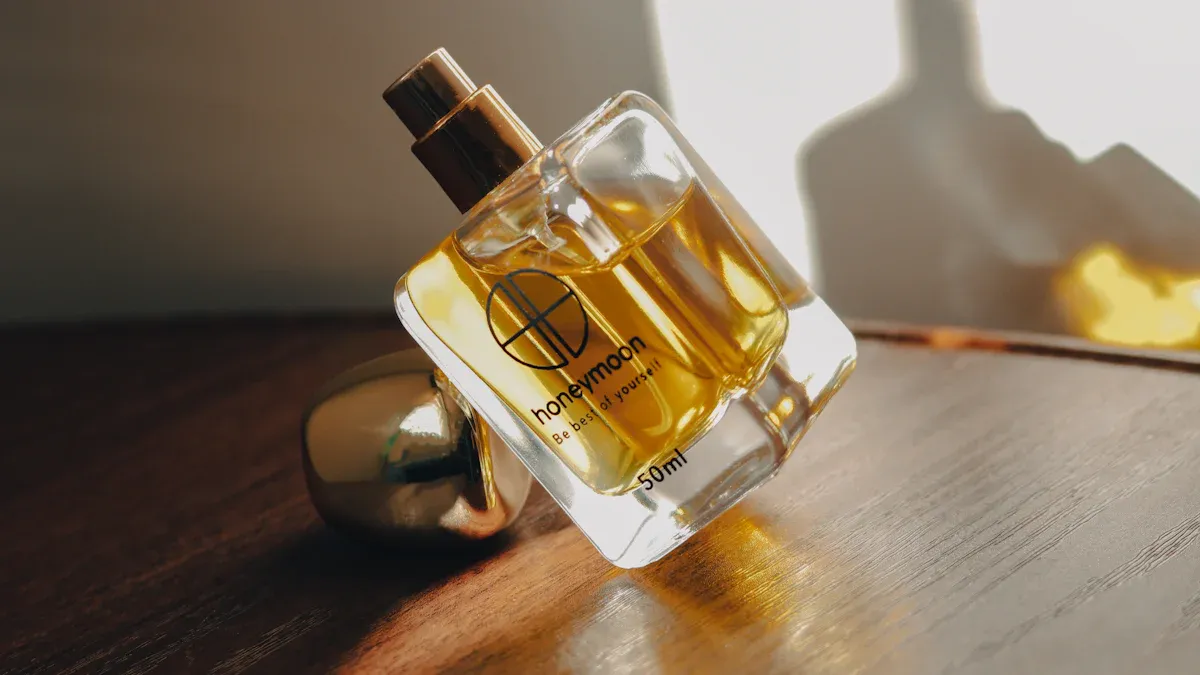
When I think about sustainable fragrance packaging, the environmental benefits stand out to me. One of the most significant advantages is the reduced carbon footprint. Brands like Floral Street use packaging made from recycled materials, such as FSC-certified paper and up-cycled coffee cups. This approach not only minimizes waste but also lowers energy consumption during production. Although exact carbon footprint data isn't always available, I appreciate knowing that brands are making efforts to reduce their impact on the planet.
Here’s a quick look at how different materials compare in terms of their carbon footprints:
| Material Type | Carbon Footprint (relative) | Notes |
|---|---|---|
| Recycled LDPE | Lowest | Outperforms virgin LDPE and PLA in carbon footprint across manufacturing processes. |
| Virgin LDPE | Medium | Higher carbon footprint than recycled LDPE but lower than PLA. |
| PLA Bioplastic | Highest | Has a higher carbon footprint than both recycled and virgin LDPE. |
Another crucial aspect of sustainable fragrance packaging is biodegradability and recyclability. I find it reassuring that many brands are shifting away from traditional packaging, which often relies on single-use plastics. Instead, they are embracing materials that can decompose naturally or be recycled. For example, glass bottles are a popular choice because they can be recycled repeatedly without losing quality. This reduces the need for new materials and helps cut down on waste.
Here are some key points about biodegradable and recyclable packaging options:
- Traditional packaging often leads to pollution and landfill waste.
- Biodegradable materials, like those made from plants, break down naturally, minimizing long-term environmental impact.
- Refillable bottles reduce the demand for new packaging, which helps conserve resources.
- Many brands are now committed to ensuring that a significant percentage of their packaging is recyclable or reusable. For instance, Estée Lauder reported that 63% of their packaging is recyclable, while Origins aims for at least 80%.
By choosing sustainable fragrance packaging, brands not only contribute to a healthier planet but also align with my values as a consumer. I feel more inclined to support companies that prioritize eco-friendly practices, knowing that my choices can make a difference.
Enhancing Brand Image Through Sustainable Fragrance Packaging
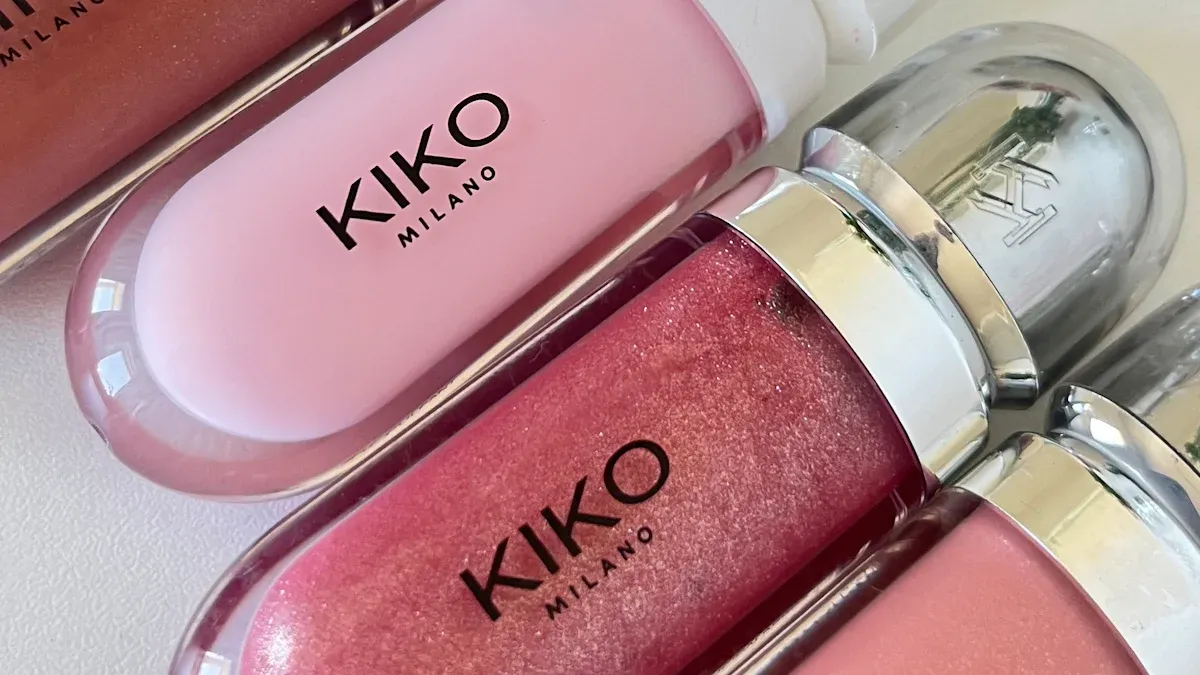
Sustainable fragrance packaging plays a crucial role in enhancing a brand's image. When I see brands commit to eco-friendly practices, it builds trust in me as a consumer. Building trust with consumers starts with transparency. Brands that use sustainable materials show they care about quality and the environment. This commitment resonates with me and many others who prioritize eco-conscious choices.
Sensory packaging that incorporates sustainable elements communicates quality, care, and attention to detail. This approach enhances consumer trust and encourages repeat purchases. When I know a brand is dedicated to reducing waste and using eco-friendly materials, I feel more connected to them. It reinforces their reputation and fosters emotional connections, which ultimately elevates my perception of their trustworthiness.
Moreover, sustainable fragrance packaging helps brands stand out in a crowded market. Differentiation in a competitive market is essential for success. I often notice brands that adopt unique packaging strategies, such as refillable bottles or minimalist designs. These features not only reduce waste but also appeal to my desire for sustainability.
Here are some examples of how brands differentiate themselves:
- Biodegradable materials: Brands like Seed Phytonutrients use compostable paper packaging, which reduces plastic use and attracts eco-conscious consumers.
- Refillable programs: Le Labo encourages customers to return bottles for refills, offering discounts that foster loyalty.
- Minimalist designs: Byredo's stripped-back aesthetic reduces waste and aligns with my values as a consumer.
- Educational messaging: Aesop uses packaging to raise awareness about sustainability, which resonates with my desire for transparency.
These strategies not only set brands apart but also create a lasting impression on consumers like me. I appreciate when brands take the initiative to align their packaging with my values, making me more likely to choose their products over others.
Aligning with Consumer Expectations for Sustainable Fragrance Packaging
The Rise of Eco-Conscious Consumers
I’ve noticed a significant shift in consumer behavior towards eco-conscious choices, especially in the fragrance market. The organic perfume market is projected to reach $7.5 billion by 2025, growing at a rate of 7% through 2033. This growth reflects my desire for natural and non-toxic products. Major brands like Sephora and Louis Vuitton are adopting refillable packaging to meet this demand. I appreciate when brands take steps to reduce waste and offer sustainable options.
The Asia-Pacific region is leading this trend, holding a 23% market share in organic perfumes. This growth indicates that more consumers like me are prioritizing eco-friendly products. I find it encouraging that the sustainable packaging market is also expanding, with a 6% CAGR expected through 2027. Brands are increasingly using recycled, biodegradable, and carbon-neutral materials, which aligns with my values.
Transparency and Authenticity
Transparency in sustainability claims is crucial for me as a consumer. I want to know what goes into the products I buy. Studies show that 76% of consumers prefer sustainable packaging over purely aesthetic options. This preference drives brands to adopt recyclable and biodegradable materials, enhancing their image and loyalty among consumers like me.
When brands openly disclose their ingredients and sustainability practices, it builds trust. For instance, I admire brands like Henry Rose, which disclose all 300 ingredients used in their fragrances. This level of transparency not only attracts me but also sets them apart in a crowded market. I feel more confident purchasing from brands that prioritize honesty and authenticity in their sustainable fragrance packaging initiatives.
Brands must avoid greenwashing by ensuring proper certification and full ingredient disclosure. This commitment to transparency fosters trust and loyalty, making me more likely to choose their products.
By aligning with my expectations for sustainability, brands can create lasting connections with consumers like me. I appreciate when they prioritize eco-friendly practices and communicate their efforts clearly.
Innovative Solutions in Sustainable Fragrance Packaging
Use of Recycled Materials
I find it exciting to see how brands are embracing recycled materials in their fragrance packaging. This shift not only reduces waste but also enhances the overall sustainability of the products I love. For instance, many brands now use post-consumer recyclable (PCR) glass for their perfume bottles. This choice minimizes the demand for virgin glass and helps reduce environmental impact.
Here are some innovative recycled materials that I appreciate:
- FSC-certified paperboard: This material comes from sustainably managed forests, which helps protect biodiversity and reduces deforestation.
- Bioplastics: Made from renewable resources like corn, these materials offer a biodegradable alternative to traditional plastics.
- Seed-embedded packaging: Some brands create packaging that consumers can plant, turning waste into new life. This unique approach showcases a commitment to eco-friendly practices.
- Sustainable closures: Using bamboo or wood instead of non-recyclable plastics improves the recyclability of the entire package.
I admire brands like BIG SKY PACKAGING, which collaborates with high-profile fragrance names to create eco-friendly packaging solutions. Their designs combine aesthetics, functionality, and sustainability, ensuring that the products remain protected while elevating the brand image. This commitment resonates with me and many other consumers who prioritize sustainability.
Minimalist Design Approaches
Minimalist design approaches in fragrance packaging also capture my attention. I appreciate how these designs use fewer materials while maintaining elegance and functionality. This trend aligns perfectly with my values as an eco-conscious consumer. Here are some benefits of minimalist packaging that I find compelling:
- Cost efficiency: By using fewer materials, brands can reduce production and shipping costs while lowering their environmental impact.
- Brand differentiation: Simple, elegant packaging stands out on shelves, conveying clarity and confidence. This helps brands strengthen their identity and appeal to consumers like me who seek purity and sophistication.
- Waste reduction: Minimalist designs decrease landfill waste by using recyclable and reusable materials, such as paper and cardboard. This practice not only conserves resources but also enhances the brand's image.
I’ve noticed that many brands are adopting minimalist designs that resonate with younger consumers, especially millennials and Gen Z. These consumers prefer packaging that reflects their values of sustainability and authenticity. By embracing minimalist design, brands can foster loyalty and create lasting connections with eco-conscious shoppers like me.
Case Studies of Brands in Sustainable Fragrance Packaging
Brand A: Leading the Way in Sustainability
One brand that truly stands out in the realm of sustainable fragrance packaging is Floral Street. They have made significant strides by using FSC-certified fiber cartons and biodegradable molded pulp covers. Their commitment to sustainability doesn’t compromise aesthetics; instead, it enhances their brand image. I admire how they demonstrate that luxury can coexist with eco-friendliness.
The measurable outcomes from Floral Street's sustainable packaging efforts are impressive:
| Measurable Outcome | Description |
|---|---|
| 25% Increase in Brand Recognition | Achieved through eco-friendly campaigns tracked via quarterly Zigpoll brand awareness surveys. |
| Improved Consumer Trust | Gained by transparent communication of sustainable packaging benefits and ongoing dialogue. |
| Enhanced Marketing ROI | Maximized by validating campaign effectiveness with real-time consumer feedback from Zigpoll. |
| Data-Driven Optimization | Continuous refinement of messaging and budget allocation based on survey insights and analytics. |
These results show that Floral Street's dedication to sustainability has led to tangible improvements in brand perception and consumer engagement.
Brand B: Consumer Engagement through Eco-Friendly Practices
Another brand that excels in engaging consumers through eco-friendly practices is Le Labo. They have implemented a refillable system that encourages customers to return their bottles for refills. This initiative not only reduces waste but also fosters loyalty among eco-conscious consumers like me. I appreciate how Le Labo offers discounts for refills, making it a win-win for both the environment and my wallet.
The success of brands like Le Labo highlights key takeaways for sustainable fragrance packaging:
- Brands like Sillages Paris use refillable systems with recycled glass, enhancing customer loyalty.
- Ffern improves durability with gold foil stamping and protective coatings, proving sustainability can coexist with premium experiences.
- Mugler supports circular packaging ecosystems with in-store refill stations, reducing waste and encouraging reuse.
These examples show that successful sustainable fragrance packaging integrates eco-friendly materials, user-friendly refill systems, and transparent communication. This approach not only meets consumer expectations but also strengthens brand identity and trust. I find it inspiring to see brands take such meaningful steps toward sustainability, making it easier for consumers like me to make eco-friendly choices.
Sustainable fragrance packaging is essential for attracting consumers like me. It aligns with my values and reflects a brand's commitment to the environment. By prioritizing sustainability, brands can enjoy long-term benefits, such as increased consumer loyalty and enhanced brand image.
-
Brands that adopt eco-friendly practices:
- Foster innovation and creativity.
- Differentiate themselves in a competitive market.
- Appeal to younger, eco-conscious consumers.
I encourage brands to embrace sustainable practices. Doing so not only enhances their value but also contributes to a healthier planet. Together, we can make a difference through our purchasing choices! 🌍✨
0users like this.


