Blog
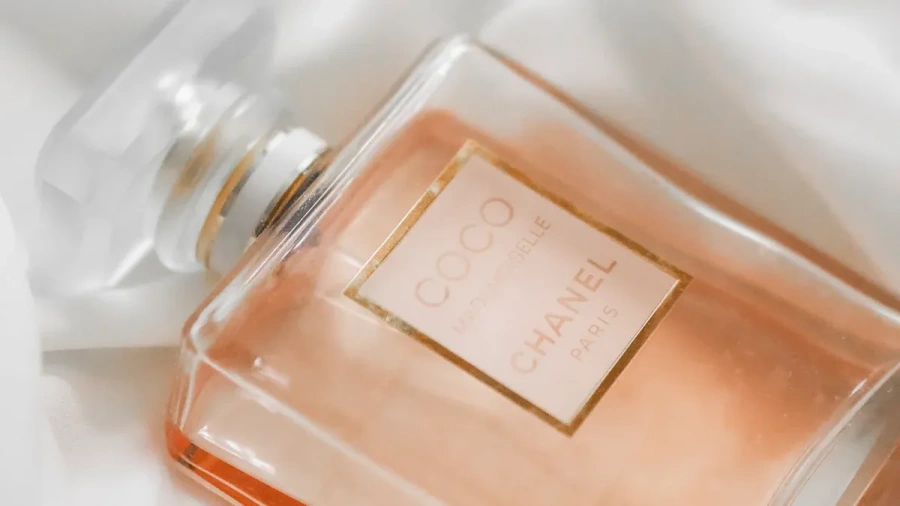
Unique Glass Perfume Bottle Designs That Define 2025 Trends
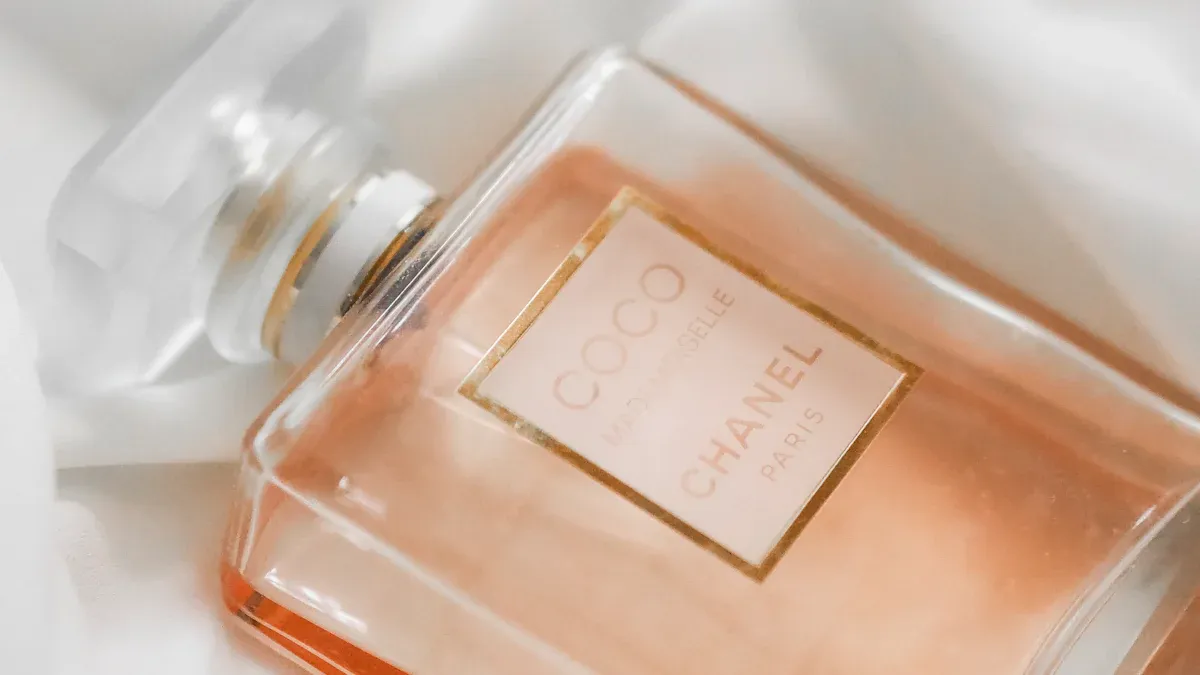
Unique designs in the perfume industry matter more than ever. I see glass perfume bottles as not just containers, but as stunning works of art that elevate the entire fragrance experience. With the global market for glass bottles projected to grow significantly, driven by luxury and sustainable trends, the demand for artistic glass perfume bottles has surged. Craftsmanship plays a crucial role in enhancing brand perception, making each bottle a reflection of the values and creativity behind the fragrance.
Key Takeaways
- Glass perfume bottles are evolving into art pieces that reflect brand values and connect deeply with consumers.
- Sustainability drives new designs, with recycled materials and refillable bottles becoming popular choices.
- Innovative shapes, colors, and smart features enhance both the look and function of perfume bottles.
- Craftsmanship blends traditional glassmaking with modern methods to create unique and durable bottles.
- Future trends focus on personalization, technology integration, and stronger emotional connections through design.
Key Design Elements in Glass Perfume Bottles
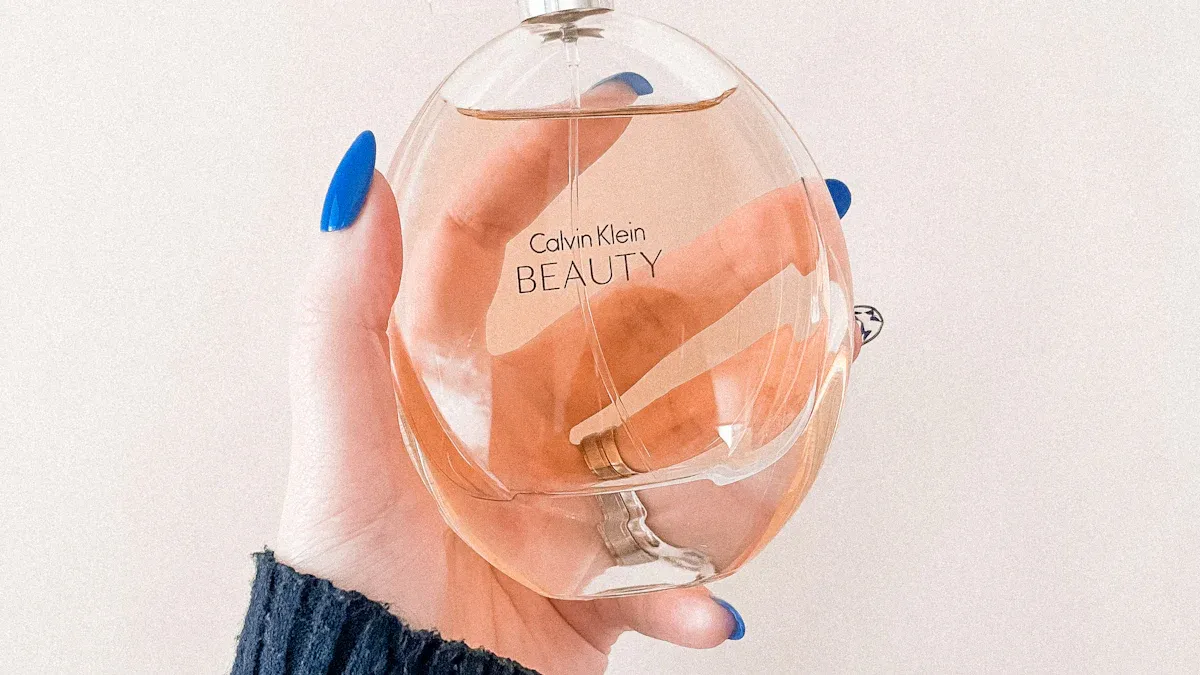
When I explore the world of glass perfume bottles, I notice that certain design elements stand out and define the trends for 2025. These elements not only enhance the aesthetic appeal but also reflect the values and preferences of consumers today.
Shape Trends
The shapes of glass perfume bottles are evolving rapidly. I see a rising demand for innovative and unique designs that cater to personalization and customization. Here are some notable trends:
- Exquisite Craftsmanship: Luxury and premiumization trends encourage brands to create beautifully crafted bottles that serve as art pieces.
- Sustainability Focus: Many brands now prioritize lightweight and recycled glass designs. This shift promotes eco-friendly shapes that resonate with environmentally conscious consumers.
- Brand Identity: The market favors designs that reflect individual brand identities. Consumers want bottles that tell a story and connect with their personal preferences.
- Smart Technology Integration: Emerging technologies and e-commerce needs influence bottle designs. Brands are exploring shapes that accommodate smart features, enhancing user experience.
These trends show how shape plays a crucial role in attracting consumers and enhancing their connection to the fragrance.
Material Innovations
Material choices in glass perfume bottles are also changing. While glass remains the dominant material due to its luxury aesthetics and sustainability, brands are experimenting with new elements. Here’s what I’ve observed:
- Recycled Materials: Many brands are incorporating recycled glass, which aligns with the growing demand for eco-friendly products.
- Mixed Materials: Some designs now feature combinations of glass with materials like bamboo or recycled metals. This approach not only adds visual interest but also communicates a commitment to sustainability.
- Functional Design: Innovations in materials allow for more functional designs. Lightweight bottles are easier to carry, making them appealing to on-the-go consumers.
These material innovations enhance the overall experience of using glass perfume bottles, making them more appealing to a broader audience.
Color Palettes
Color choices in glass perfume bottles significantly impact consumer perception. I find that the trending color palettes for 2025 include:
- Classic Luxury Colors: Gold, black, white, pink, and baby blue dominate the market. Gold and black convey sophistication and elegance, often seen in luxury brands like Tom Ford Black Orchid.
- Soft and Fresh Tones: Pink and baby blue evoke feelings of softness and freshness, perfect for light and airy fragrances.
- Experimental Colors: There’s a rising trend toward bold and experimental colors. These choices reflect consumer desires for self-expression and individuality.
- Cultural Influences: Color symbolism varies across cultures. For instance, red may symbolize prosperity in some cultures while representing danger in others.
These color palettes not only enhance the visual appeal of glass perfume bottles but also communicate the fragrance's identity and brand values.
By understanding these key design elements, I believe consumers can appreciate the artistry behind glass perfume bottles even more. Each bottle tells a unique story, reflecting the creativity and craftsmanship of the brand.
Functional Features
When I think about glass perfume bottles, I realize that their functional features play a vital role in attracting consumers. A beautiful design is essential, but practicality often seals the deal. Here are some functional features that I find particularly appealing:
-
Spray Mechanism: A reliable spray mechanism ensures that the fragrance disperses evenly. I appreciate bottles that offer adjustable spray settings. This feature allows me to control the intensity of the scent, making it perfect for different occasions.
-
Refillable Options: Many brands now offer refillable glass perfume bottles. This trend not only promotes sustainability but also provides convenience. I love being able to refill my favorite scents without needing to purchase a new bottle each time. It’s a win-win for both my wallet and the environment.
-
Travel-Friendly Designs: As someone who enjoys traveling, I look for compact and lightweight glass perfume bottles. Brands are now creating travel-sized versions that fit easily in my bag. These designs often come with protective cases to prevent breakage, which gives me peace of mind while on the go.
-
Ergonomic Shapes: I find that ergonomic shapes enhance the user experience. Bottles that fit comfortably in my hand make application easier and more enjoyable. This thoughtful design consideration shows that brands care about their customers’ needs.
-
Visual Indicators: Some innovative designs include visual indicators for fragrance levels. I appreciate being able to see how much perfume is left at a glance. This feature helps me avoid running out unexpectedly, allowing me to plan my refills better.
These functional features not only enhance the usability of glass perfume bottles but also elevate the overall fragrance experience. When brands prioritize functionality alongside aesthetics, they create products that resonate with consumers like me.
Craftsmanship in Glass Perfume Bottles
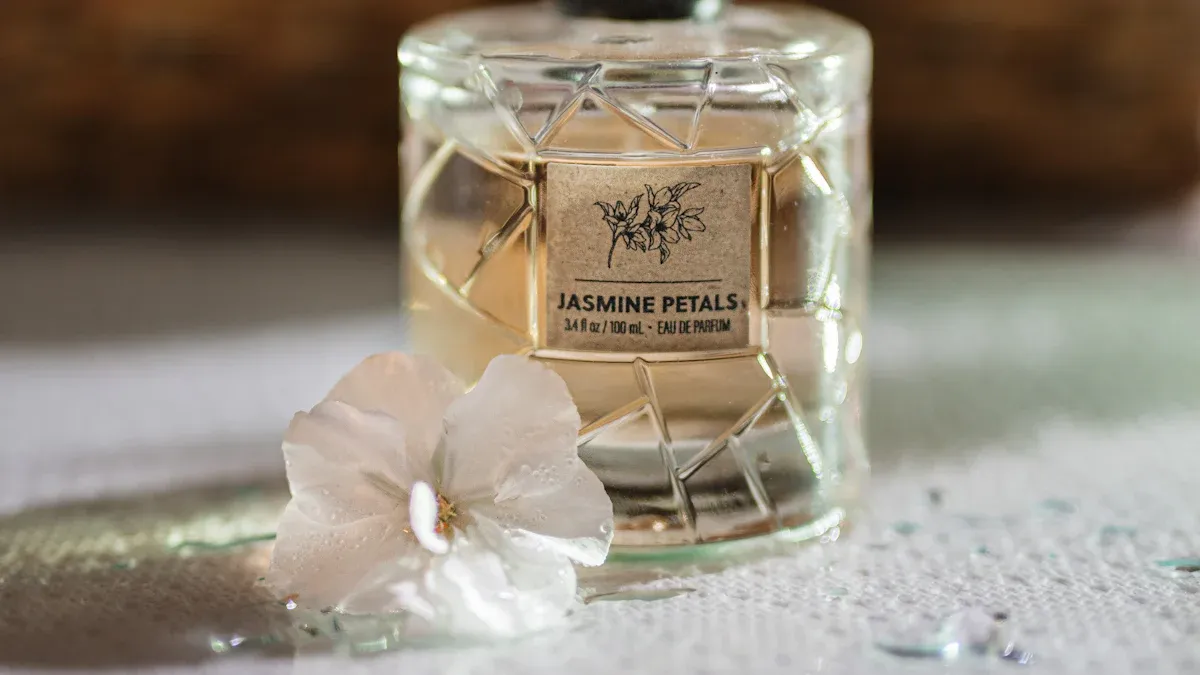
When I think about the craftsmanship behind glass perfume bottles, I realize it’s a blend of art and science. The techniques used to create these bottles can significantly impact their beauty and functionality.
Traditional Techniques
I find that traditional techniques play a vital role in the creation of glass perfume bottles. These methods have been passed down through generations and showcase the skill of artisans. Here are some key techniques:
- Glassblowing: This technique involves shaping molten glass into beautiful forms. I love how artisans use free-blowing and blowpipe methods to create unique shapes that reflect their creativity.
- Mold Blowing: This method ensures uniformity in size and shape. By blowing glass into pre-prepared molds, artisans achieve consistency while still allowing for artistic expression.
- Annealing: This crucial process involves slowly cooling the glass in an annealing oven. It relieves internal stresses and prevents cracking, ensuring that the bottles are durable and long-lasting.
- Decoration Techniques: Artisans often use engraving, etching, and heat transfer methods to add intricate designs. I appreciate how these decorative elements enhance the overall aesthetic of the bottles.
These traditional techniques combine artisan skill with historical practices, resulting in unique and durable glass perfume bottles.
Modern Manufacturing Methods
While traditional craftsmanship is essential, modern manufacturing methods have also transformed the industry. I see how these methods can improve efficiency and reduce costs. For example:
- Automation: Many brands now use automated processes to produce glass perfume bottles. This approach allows for faster production and consistency in quality.
- Advanced Materials: Modern techniques often incorporate innovative materials that enhance durability. For instance, some brands are experimenting with unbreakable glass coatings to improve resilience.
- Sustainability Practices: I notice that many manufacturers are adopting eco-friendly practices. They focus on reducing waste and using recycled materials, which aligns with consumer preferences for sustainability.
These modern methods complement traditional craftsmanship, creating a balance between efficiency and artistry.
Artisan vs. Mass Production
The debate between artisan and mass-produced glass perfume bottles fascinates me. Each approach has its strengths and weaknesses. Here’s what I’ve observed:
- Artisan Bottles: These bottles often feature intricate designs and unique shapes. I admire how artisans use bespoke glass recipes to create high-quality, luxurious products. For example, Lalique’s limited editions showcase stunning craftsmanship that appeals to collectors.
- Mass-Produced Bottles: These bottles prioritize commercial scalability. They often use materials with lower purity, which can affect clarity. However, mass production focuses on durability and cost-efficiency, making them accessible to a broader audience.
Both artisan and mass-produced bottles utilize glass for its non-reactive and sustainable properties. However, artisan bottles leverage glass’s moldability to create unique luxury designs, while mass-produced bottles emphasize practicality and shelf presence.
Design and Brand Identity of Glass Perfume Bottles
When I think about glass perfume bottles, I realize they are more than just containers for fragrance. They embody the essence of a brand and reflect its values. A well-designed bottle can tell a story, evoke emotions, and create a lasting impression. Here’s how design connects with brand identity.
Reflecting Brand Values
I believe that every glass perfume bottle should reflect the core values of the brand it represents. For instance, a luxury brand might opt for an elegant and sophisticated design, while a more playful brand might choose vibrant colors and whimsical shapes. Here are some key elements that help convey brand values through design:
- Cohesive Visual Identity: The logo, typography, and color palette should align with the fragrance's story. This consistency helps consumers recognize the brand instantly.
- Sustainable Practices: Brands that prioritize eco-friendly materials and ethical production resonate with consumers who value sustainability. This commitment can enhance brand appeal.
- Distinctive Shapes: Iconic bottle designs, like Chanel No. 5’s classic square or Byredo’s modern rounded bottle, create a strong visual identity. These shapes help consumers connect with the brand on a deeper level.
By focusing on these elements, brands can create glass perfume bottles that not only look beautiful but also communicate their values effectively.
Consumer Connection through Design
I find that effective perfume brand design starts with understanding the target audience. Brands must define themselves through market research to create a strong value proposition. Here are some ways design fosters a connection with consumers:
- Tactile Experience: The shape and texture of the bottle create a sensory experience. When I hold a beautifully designed bottle, it enhances my overall experience with the fragrance.
- Emotional Resonance: Imagery in marketing materials should evoke emotions tailored to the audience. Whether aspirational or relatable, the right visuals can create a strong bond with consumers.
- Storytelling: Consistency across branding elements and storytelling that reflects consumer personality and values builds a personal connection. I appreciate brands that tell a story through their designs.
These design elements create a bridge between the brand and the consumer, making the fragrance more memorable.
Case Studies of Successful Brands
I love looking at brands that excel in creating glass perfume bottles that resonate with consumers. Here are a few examples that stand out:
- Chanel: The iconic Chanel No. 5 bottle is a perfect example of timeless elegance. Its simple yet sophisticated design reflects the brand's luxury status and has become a symbol of classic beauty.
- Byredo: Known for its minimalist aesthetic, Byredo’s bottles feature clean lines and a modern look. This design aligns with the brand's contemporary values and appeals to a younger audience.
- Moschino: The avant-garde designs of Moschino’s bottles showcase creativity and playfulness. Their unique shapes and bold colors attract attention and reflect the brand's fun personality.
These brands demonstrate how thoughtful design can enhance brand identity and create a strong connection with consumers. Each glass perfume bottle tells a story, inviting users to be part of the brand's journey.
Future of Glass Perfume Bottle Design
As I look ahead to the future of glass perfume bottles, I see exciting trends shaping the industry. These trends not only reflect consumer preferences but also embrace technological advancements and sustainability.
Emerging Trends to Watch
I notice several emerging trends that will redefine glass perfume bottle design. Here are some key developments to keep an eye on:
- Smart Technologies: Integration of RFID and NFC technology will transform bottles into interactive tools. This innovation allows consumers to authenticate products and access detailed information, enhancing engagement.
- 3D Printing: This technology enables intricate and customizable designs. I love how brands can now create unique shapes that reflect individual styles.
- Sustainable Materials: The use of recycled glass and biodegradable plastics is becoming standard. This shift aligns with my desire for eco-friendly products that reduce waste.
- Personalization: Consumers increasingly seek unique engravings and bespoke designs. This trend reflects our desire for individuality and self-expression.
Sustainability in Design
Sustainability is a crucial factor in the future of glass perfume bottles. I appreciate brands that prioritize eco-friendly practices. Here’s how sustainability is shaping design:
- Refillable Systems: Brands like Guerlain are leading the way with refillable bottles. This approach reduces waste and promotes a circular economy.
- Energy-Efficient Production: Many manufacturers are adopting energy-efficient processes. This commitment not only lowers their carbon footprint but also appeals to environmentally conscious consumers like me.
- Innovative Coatings: Advances in material science are producing stronger and lighter glass compositions. These innovations improve durability and recyclability, making glass perfume bottles even more appealing.
Predictions for 2030
Looking ahead to 2030, I predict that glass perfume bottles will evolve significantly. Here are my thoughts on what to expect:
- Increased Customization: I believe brands will offer even more personalized options, allowing consumers to create bottles that truly reflect their identity.
- Enhanced Functionality: I foresee bottles incorporating smart features that enhance user experience, such as visual indicators for fragrance levels.
- Stronger Brand Connections: As brands focus on storytelling through design, I expect to see bottles that resonate deeply with consumers, creating lasting emotional connections.
The future of glass perfume bottles excites me. I look forward to seeing how these trends unfold and how they will enhance my fragrance experience.
Unique glass perfume bottle designs truly matter. They elevate fragrances into art forms. I see key trends like sustainability, personalization, and innovative materials shaping the future. These trends not only enhance brand identity but also connect with consumers on a deeper level.
I encourage you to appreciate the artistry behind each bottle. Next time you choose a fragrance, consider the story it tells through its design. Embrace the beauty of perfume packaging; it’s more than just a container—it's a piece of art waiting to be admired! 🌟
0users like this.