Blog
Tips for Choosing the Best Types of Refillable Perfume Bottles in 2025
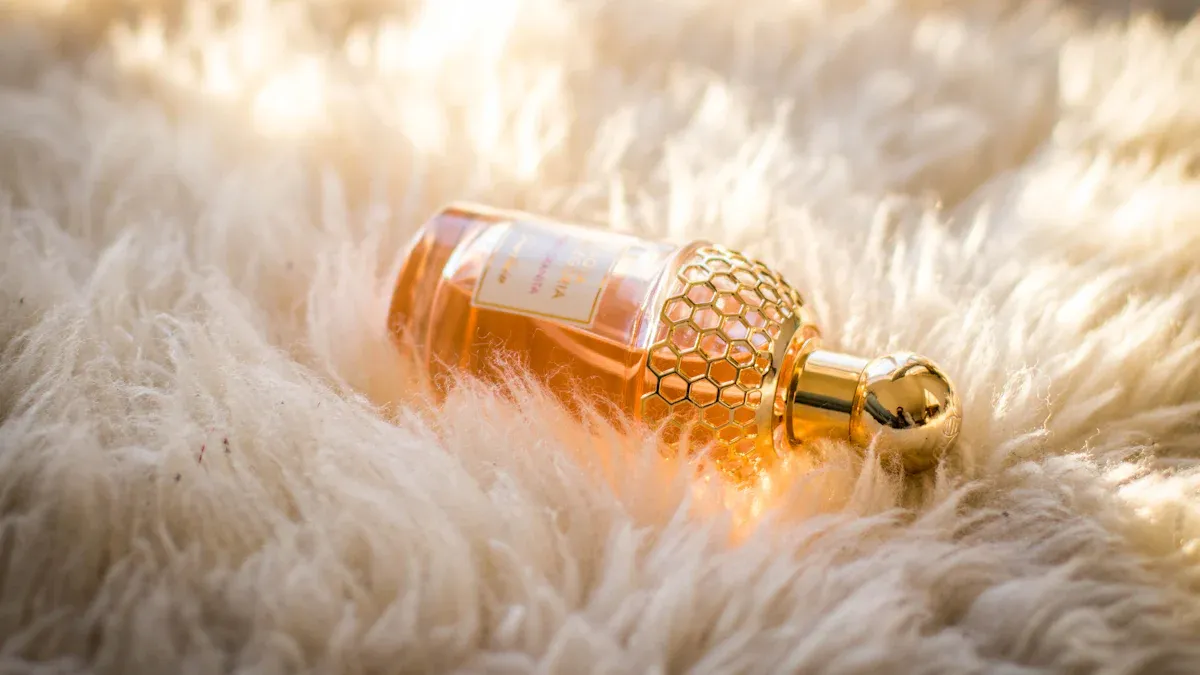
Choosing the right refillable perfume bottle types is essential for any brand looking to connect with consumers. I believe the shape and design of your bottle should resonate with your brand's identity and values. In 2025, sustainability is not just a trend; it’s a necessity. Consumers increasingly seek products that reflect their commitment to the environment. For instance, the refillable perfume bottle market is projected to grow significantly, driven by a preference for premium, eco-friendly packaging that aligns with these values.
Key Takeaways
- Choose refillable perfume bottles that match your brand’s style and values to create strong connections with customers.
- Select materials like glass or eco-friendly plastics that protect the fragrance and appeal to environmentally aware buyers.
- Design bottles for easy use with features that make refilling simple and enjoyable for all consumers.
- Focus on sustainability by using refillable, recyclable bottles to reduce waste and lower environmental impact.
- Consider current trends like minimalist or bold designs and offer customization to make your brand stand out and build loyalty.
Aligning with Brand Identity
Defining Your Brand's Aesthetic
When I think about defining a brand's aesthetic, I realize how crucial it is to create a visual identity that resonates with consumers. The design of your refillable perfume bottle types should reflect the essence of your brand. For instance, a luxury brand might opt for elegant, jewel-like designs that catch the eye and evoke a sense of sophistication. On the other hand, a brand focused on eco-friendliness may choose minimalist designs that emphasize sustainability.
Research shows that a well-defined aesthetic can significantly influence purchasing behavior. A study found a strong positive correlation between design aesthetics and consumers' purchase intentions. This means that when your bottle design aligns with your brand's values, it can lead to increased sales. I’ve seen firsthand how brands that incorporate cultural or historical elements into their bottle designs create emotional connections with consumers. This connection enhances brand perception and encourages loyalty.
Communicating Brand Values
Communicating brand values through your refillable perfume bottle types is essential. I believe that every element of your bottle—from its shape to its material—should tell a story about what your brand stands for. For example, brands that prioritize sustainability often use eco-friendly materials and designs that minimize waste. This not only appeals to environmentally conscious consumers but also reinforces the brand's commitment to social responsibility.
Moreover, consistent branding helps consumers easily recognize and remember a brand. An industry article highlights that strong branding fosters emotional connections and loyalty, which are vital for repeat purchases. When consumers see a bottle that aligns with their values, they are more likely to choose it over competitors. This connection can increase revenue by up to 33%, showcasing the power of effective brand communication.
Refillable Perfume Bottle Types by Material
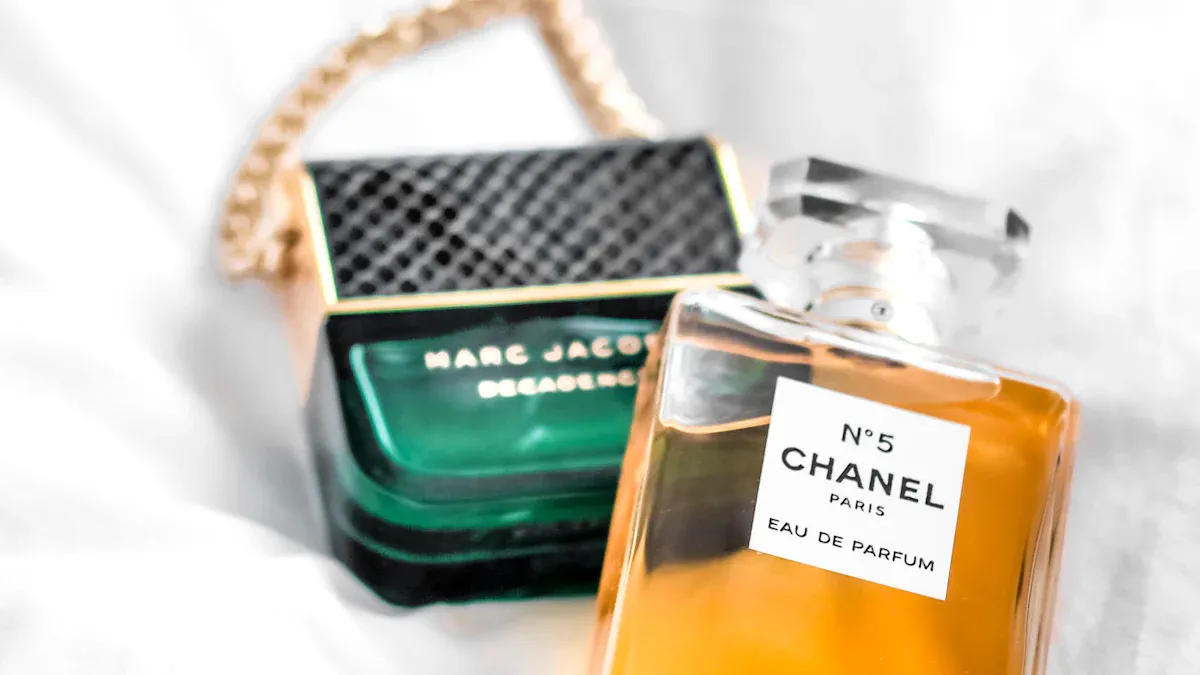
When it comes to choosing refillable perfume bottle types, the material plays a crucial role in both functionality and consumer perception. I often find myself weighing the pros and cons of glass versus plastic, as well as exploring eco-friendly options that align with my values and those of my customers.
Glass vs. Plastic
Glass bottles have long been a favorite in the fragrance industry. They offer a premium feel and superior protection for the product inside. I appreciate how glass prevents oxygen permeation and light exposure, which helps maintain the fragrance's integrity over time. In fact, studies show that glass bottles provide better barrier properties, making them ideal for sensitive products. However, I must acknowledge that glass is fragile and can break easily, which poses challenges in shipping and handling.
On the other hand, plastic bottles are known for their durability. They withstand drops and impacts better than glass, making them a practical choice for consumers on the go. I’ve seen firsthand how brands that use plastic can reduce shipping costs due to lighter packaging. However, I also recognize that plastic has a significant environmental impact. The recycling rates for plastic bottles are lower than those for glass, which can deter eco-conscious consumers.
Interestingly, the beverage industry provides some insights into this debate. For instance, returnable glass bottles hold over 45% of the market share in beer packaging globally. This statistic highlights the industry's commitment to glass packaging, as major companies like Heineken and Coca-Cola invest in returnable glass initiatives. In contrast, while plastic bottles are more common, they often lack the same level of consumer trust and satisfaction.
Eco-Friendly Options
As I explore refillable perfume bottle types, I cannot overlook the growing demand for eco-friendly materials. Consumers are increasingly motivated to choose products that minimize environmental impact. A Nielsen report reveals that 73% of global consumers are willing to change their consumption habits to support sustainability. This shift is evident in the rise of brands that prioritize eco-friendly packaging.
I find that using materials like recycled plastics or biodegradable options can significantly enhance a brand's appeal. For example, Innocent Drinks has successfully captured consumer loyalty by using 100% recycled plastic bottles. Their transparent communication about sustainability resonates with customers, leading to higher satisfaction and even allowing for premium pricing.
Moreover, the environmental benefits of eco-friendly packaging are substantial. These options help reduce solid waste in landfills and decrease dependence on fossil fuels. I believe that adopting sustainable practices not only aligns with consumer preferences but also strengthens a brand's reputation in the market.
Functionality and User Experience
Ease of Use
When I think about ease of use, I realize how crucial it is for consumers to have a positive experience with refillable perfume bottles. I’ve seen usability studies that highlight how different bottle designs can significantly impact user satisfaction. For instance, a controlled lab study tested various designs across different age groups, particularly focusing on older adults. The results showed that certain designs, like the push-and-twist mechanism, required less twisting force and caused lower frustration levels compared to pinch-and-twist designs. This finding emphasizes that thoughtful design can enhance usability for everyone, especially those who may struggle with dexterity.
Here are some key factors that contribute to ease of use in refillable perfume bottles:
- Ergonomic Design: I appreciate bottles that fit comfortably in the hand. A well-designed bottle allows for precise control over application, making the experience enjoyable.
- User-Friendly Features: Elements like soft matte finishes and satisfying cap clicks can make the interaction more engaging. These tactile and auditory cues enhance the overall experience.
- Consumer Feedback: I often look at customer reviews and surveys to gauge usability perceptions. Positive feedback on ease of opening and handling can indicate a successful design.
Refill Mechanisms
Refill mechanisms play a vital role in the functionality of refillable perfume bottles. I’ve noticed that brands are innovating to create more efficient and user-friendly refill options. For example, flexible refill formats, such as recyclable pouches, offer a convenient way to refill bottles without creating excess waste. These options not only promote sustainability but also enhance the overall user experience.
Here are some considerations regarding refill mechanisms:
- Efficiency: I find that advanced coatings on PET refillable bottles can improve barrier properties, ensuring the fragrance remains intact. This innovation is essential for maintaining product quality.
- Environmental Impact: Mono-material designs enhance recyclability, which is a significant concern for eco-conscious consumers. I believe that brands should prioritize designs that reduce CO2 emissions and transportation costs.
- Consumer Perception: While there may not be formal studies comparing refill mechanisms, I’ve seen case examples that suggest certain designs are more appealing to consumers. Brands that communicate the benefits of their refill systems often see higher customer satisfaction.
Sustainability Considerations
Lifecycle of the Bottle
When I consider the lifecycle of refillable perfume bottles, I realize how important it is to understand their environmental impact. The Estée Lauder Companies' Packaging Sustainability report highlights that purchasing a luxury fragrance in a recyclable and refillable glass bottle, along with one refill, can reduce emissions and water consumption by 20% after the initial purchase. This statistic truly emphasizes the sustainability benefits of refillable perfume bottles. Additionally, the design of these bottles minimizes packaging weight by 40%, which further contributes to reducing the carbon footprint associated with shipping and handling.
I believe that brands should prioritize transparency about the lifecycle of their products. When consumers know how their choices affect the environment, they feel empowered to make informed decisions. This knowledge can lead to a stronger connection between the brand and the consumer, fostering loyalty and trust.
Impact on Consumer Choices
Consumer choices are heavily influenced by lifecycle information. I’ve noticed that different age groups prioritize various factors when making purchasing decisions. For instance, younger consumers often focus on technology and fashion, while older consumers may prioritize health and sustainability. This means that brands must adapt their strategies to meet the evolving needs of their audience.
Here are some key insights about how lifecycle information impacts consumer choices:
- Younger consumers tend to seek out trendy and innovative products.
- Older consumers often look for products that align with their values, such as sustainability and health.
- Life events, like marriage or parenthood, can shift purchasing priorities.
Modern consumers have greater access to information than ever before. They expect brands to be responsive and transparent about their practices. By providing clear lifecycle information, brands can enhance customer engagement and foster loyalty. I’ve seen firsthand how brands that communicate their sustainability efforts resonate more with consumers, leading to increased sales and brand loyalty.
Current Design Trends
In 2025, I see two prominent design trends emerging in the refillable perfume bottle market: minimalism and bold designs. Each approach has its unique appeal, and I believe brands should carefully consider which aligns best with their identity.
Minimalism vs. Bold Designs
Minimalist designs are gaining traction, especially among younger consumers. The 'Perfume Packaging Statistics 2025' report highlights a growing preference for simplicity and elegance. Here are some reasons why minimalism is becoming a favorite:
- Simplicity: Minimalist bottles often use fewer materials, which supports sustainability goals.
- Quality Perception: These designs convey a sense of modernity and premium quality, especially in e-commerce where visual appeal matters.
- Functionality: Brands are reducing unnecessary packaging layers, focusing on function-first elegance that photographs well for digital sales.
On the other hand, bold designs can create a striking presence on the shelf. They often feature vibrant colors and unique shapes that capture attention. I’ve noticed that brands using bold aesthetics can stand out in a crowded market, making a memorable impression on consumers.
Customization Options
Customization is another trend that excites me. Personalized refillable perfume bottles can significantly enhance brand engagement. Companies like BMW and Orangetheory Fitness have successfully used customized aluminum bottles to connect with their audiences. Here’s how customization benefits brands:
- Emotional Connection: Personalized bottles foster emotional ties with customers, increasing brand loyalty.
- Memorable Experiences: Customization options like laser engraving and unique designs create memorable branded experiences that drive repeat business.
- Sustainability Alignment: Customized bottles often promote sustainability by reducing single-use plastic waste, aligning with corporate social responsibility goals.
An Event Marketing Institute study found that 85% of event attendees are more likely to remember a brand if they receive a personalized item. This statistic shows the power of customization in improving brand engagement and recall.
Choosing the right refillable perfume bottle types is vital for brands aiming to connect with consumers. I encourage brands to reflect on their identity and sustainability goals when selecting bottle designs. By doing so, they can resonate with eco-conscious consumers and enhance brand loyalty.
Here are some key takeaways:
- Eco-friendly packaging aligns with consumer values, boosting retention.
- Customizable features meet evolving demands and foster deeper connections.
- Brands that highlight refillable options can differentiate themselves in a competitive market.
Investing in refillable bottles not only strengthens market presence but also builds lasting relationships with consumers.
0users like this.