Blog
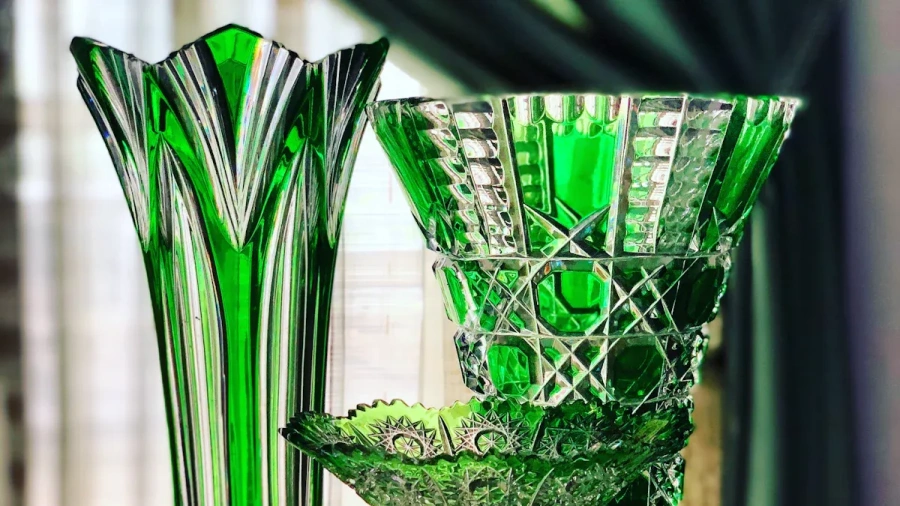
Preserving the Beauty of 17th Century Green Glass Perfume Bottles
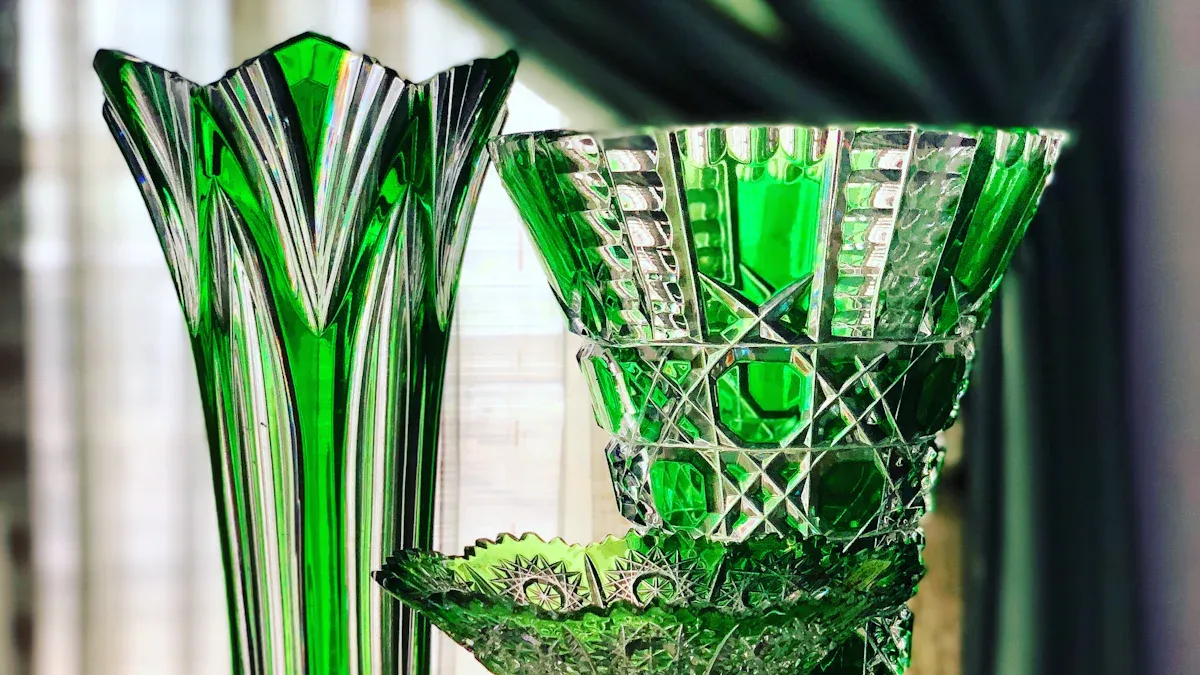
The charm of 17th-century green glass perfume bottles captivates me. Each piece tells a story, reflecting the artistry of its time. I admire how these bottles blend beauty with purpose. They serve as exquisite decorations while holding precious scents. Owning a 17th c green glass perfume bottle feels like possessing a piece of history. It connects me to the past, where craftsmanship was revered.
Key Takeaways
- 17th-century green glass perfume bottles show skilled craftsmanship with unique designs and regional styles.
- Handle these antique bottles carefully using clean hands or gloves and avoid harsh cleaning chemicals to protect their delicate materials.
- Store bottles in cool, dry places away from sunlight, using padding and upright positions to prevent damage and preserve their beauty.
- Look for rich green color, hand-blown imperfections, and maker’s marks to identify authentic 17th-century bottles and avoid forgeries.
- Building a collection starts with research, networking with other collectors, and using resources like books, museums, and workshops to deepen your knowledge.
Craftsmanship of 17th Century Green Glass Perfume Bottles
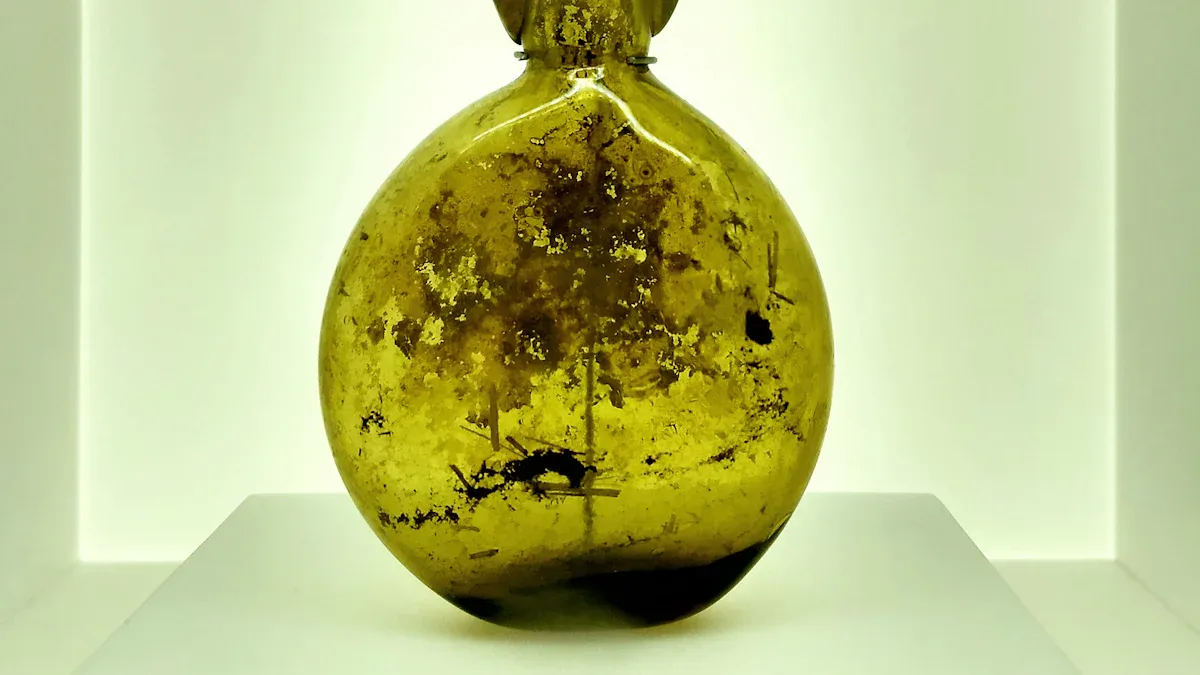
The craftsmanship behind 17th-century green glass perfume bottles fascinates me. Each bottle showcases the skill and creativity of artisans from that era. The manufacturing techniques they employed were innovative and varied, reflecting the artistic spirit of the time.
Unique manufacturing techniques
By the 17th century, artisans used advanced glasswork and metalworking techniques to create these exquisite bottles. I find it remarkable how glass shaping and decorative metal elements came together to form stunning pieces. In Bohemia, for instance, glass manufacturing flourished thanks to technology introduced from Murano, Venice. This influence led to the production of green glass perfume bottles that resembled malachite. Artisans often used press molds to shape the glass, a technique exemplified by designer Curt Schlevogt. The combination of press molding with decorative techniques like enameling and engraving truly set these bottles apart.
Design elements and styles
The design elements of 17th-century green glass perfume bottles are equally captivating. I admire how these bottles often feature intricate patterns and shapes. Many bottles exhibit a blend of functionality and artistry, with some designed to resemble flowers or fruits. The use of vibrant green glass adds a touch of elegance, making each piece a visual delight. Historical records indicate that artisans also experimented with various materials, including cut glass and enamel, to enhance the aesthetic appeal of their creations. This artistic tradition not only showcased their skills but also catered to the tastes of the elite who collected these beautiful items.
Regional variations in craftsmanship
Regional variations in craftsmanship further enrich the story of these bottles. Different areas developed unique styles based on local resources and cultural influences. For example, in northwestern Europe, I discovered evidence of yellow-green glass bottles dating back to the 17th century. One notable piece, a square bottle from around 1650–1700, is housed in the Rijksmuseum, Amsterdam. This highlights the widespread use of green-tinted glass during that period. Additionally, European glassmakers began producing glassware specifically for export to India by the late 17th century. Some bottles even emerged from India, influenced by European designs. This cross-cultural exchange illustrates how the craftsmanship of green glass perfume bottles transcended borders, creating a rich tapestry of styles and techniques.
Preservation Tips for 17th Century Green Glass Perfume Bottles
Caring for my 17th c green glass perfume bottle is essential to preserve its beauty and history. I’ve learned that proper handling, cleaning, and storage can significantly extend the life of these delicate treasures.
Proper handling techniques
When I handle my antique bottles, I always take precautions to prevent damage. Here are some techniques I follow:
- I always use clean and dry hands or wear cotton or nitrile gloves. This prevents oils, dirt, or moisture from harming the glass.
- I gently remove exterior caps and nozzles. This avoids applying pressure that could damage delicate components.
- I clean the bottles using a mild soap and warm water solution. This method protects fragile antique materials.
- After cleaning, I thoroughly dry the bottles. This step prevents moisture-related damage.
- I store my bottles in a stable environment, such as a display case or glass cabinet. Keeping them away from direct sunlight and temperature fluctuations helps avoid fading and structural damage.
Cleaning methods for delicate glass
Cleaning my 17th c green glass perfume bottles requires special care. I’ve discovered that using harsh chemicals can lead to irreversible damage. Instead, I opt for gentle methods. For bottles with silver overlay, I apply silver polishing cream by hand or with a soft buffing tool. I avoid aggressive products like Tarn-X, which can be too harsh. Before cleaning, I inspect the silver overlay for any loose areas to prevent snagging.
I use a soft cotton cloth for gentle polishing strokes, increasing pressure only after confirming there’s no risk of damage. Polishing to a soft gleam is sufficient; I don’t need to remove all tarnish, as some patina adds character. After polishing, I ensure to rinse any residue from inside the bottle. Leftover polish can affect the bottle's interior and ruin its charm.
Ideal storage conditions
Storing my 17th c green glass perfume bottles properly is crucial for their preservation. Here are the conditions I maintain:
- I keep my bottles in a cool, dry place, away from direct sunlight and high humidity. This prevents fading, discoloration, and rust formation.
- I store them upright to avoid evaporation or spillage, especially if the stopper isn’t tight.
- I use plenty of padding during storage to prevent scratches and breakage, protecting delicate designs.
- I minimize handling to avoid damage from oils on my hands that can wear down finishes.
- I maintain a controlled environment with minimal exposure to damaging elements. This preserves both the aesthetic and functional integrity of the bottles.
Additionally, I use UV glass bottles to block harmful light. This protects the perfume from degradation and heat damage. I ensure the bottle caps are airtight to prevent oxidation and contamination, minimizing evaporation and scent loss. By avoiding frequent opening, I maintain the perfume's integrity.
By following these preservation tips, I can enjoy my 17th c green glass perfume bottles for years to come, cherishing their beauty and history.
Identifying Authentic 17th Century Green Glass Perfume Bottles
When I set out to identify authentic 17th c green glass perfume bottles, I look for specific features that reveal their true nature. Genuine pieces often exhibit unique characteristics that set them apart from modern reproductions.
Key features of genuine pieces
I pay close attention to the following key features:
- Color: Authentic bottles display a rich, deep green hue. This color comes from the iron content in the glass.
- Craftsmanship: I notice intricate designs and unique shapes. Genuine bottles often have hand-blown imperfections, which add to their charm.
- Maker’s Marks: Many authentic pieces bear marks from renowned manufacturers. These marks can indicate the bottle's origin and age.
Common forgeries and how to spot them
Unfortunately, forgeries exist in the market. I’ve learned to spot them by looking for:
- Too Perfect: If a bottle looks too perfect, it might be a reproduction. Genuine pieces have slight imperfections.
- Material Quality: Modern glass lacks the depth and richness of 17th-century glass. I can often tell by the weight and feel.
- Inconsistent Designs: Forgeries may not follow the traditional styles of the era. I compare suspected pieces with verified examples.
Understanding market value and appraisal
Knowing the market value of 17th c green glass perfume bottles helps me make informed decisions. Several factors influence their worth:
- Condition: Bottles without chips, cracks, or repairs are more valuable.
- Rarity: Limited production or unique designs increase value.
- Historical Significance: Provenance or association with famous individuals or events adds value.
- Designer/Manufacturer Reputation: Renowned makers like Lalique or Baccarat command higher prices.
- Craftsmanship: Intricate designs and unique shapes typical of the 17th century enhance value.
- Materials and Decorative Techniques: The use of cameo glass, silver or gold overlay, and presence of maker’s marks contribute to higher worth.
By understanding these aspects, I can appreciate the true value of my collection and make wise purchasing decisions.
The Joy of Collecting 17th Century Green Glass Perfume Bottles
Collecting 17th-century green glass perfume bottles brings me immense joy. Each piece is a window into the past, and starting a collection can be both exciting and rewarding. Here’s how I began my journey and how you can too.
Building a collection: where to start
To build a meaningful collection, I recommend starting with research. Understanding the forms, provenance, and historical context of these bottles is crucial. Here are some steps I took:
- I began by studying the distinctive features of 17th-century English apothecary vials. I noted their flared lips, colors like olive green and aqua green, and various shapes such as shaft and globe, globular, and cylindrical.
- I learned about the stylistic evolution of these bottles. Recognizing their nearly horizontal, flattened, flared-out disc-shaped lip profile helped me identify authentic pieces.
- I discovered that many of these bottles are rare, often found in excavations or hidden places like under hearthstones or doorways.
- I sought guidance from experienced collectors, such as David W. Barker, who shared valuable insights about the craft.
- Online marketplaces like eBay became my go-to for finding examples under categories like "apothecary glass." This allowed me to start acquiring specimens that fit my collection.
- I appreciated the historical significance of these bottles, linking them to early English glassmaking traditions and their connection to Roman glass vessels.
By following these steps, I laid a solid foundation for my collection.
Networking with other collectors
Connecting with fellow collectors has enriched my experience immensely. Networking offers numerous benefits:
- I share knowledge about the historical and cultural contexts of these bottles, deepening my understanding.
- I gain insights from experts, scholars, artists, and contemporary glassmakers who provide valuable perspectives.
- Participating in specialized exhibitions and seminars, like those organized by the Corning Museum of Glass, has expanded my horizons.
- I access a community that appreciates the craftsmanship and collectible value of these bottles, making the journey more enjoyable.
- Engaging in discussions about the broader history of glass and scent innovation has enhanced my collecting strategies.
Networking has transformed my solitary hobby into a vibrant community experience.
Resources for further learning
To continue my education, I rely on various resources. Here are some that I find particularly helpful:
- Books: I recommend titles focused on glassmaking history and collecting. They provide in-depth knowledge and context.
- Online Forums: Joining forums dedicated to glass collecting allows me to ask questions and share experiences with others.
- Museums: Visiting museums with glass collections, like the Corning Museum of Glass, offers firsthand insights into craftsmanship and design.
- Workshops: Participating in workshops led by glass experts helps me refine my skills and knowledge.
These resources keep my passion alive and ensure I stay informed about the latest trends and discoveries in the world of 17th-century green glass perfume bottles.
Preserving historical artifacts like 17th c green glass perfume bottles is vital. These pieces serve as tangible teaching tools, offering insights into ancient life and customs. Their craftsmanship highlights cultural significance, elevating them beyond mere objects. I encourage everyone to appreciate the artistry behind these bottles. Each one tells a story, connecting us to the past. Collecting these treasures brings immense joy. It allows me to engage with history and celebrate the beauty of craftsmanship. I invite you to explore this fascinating world and cherish these remarkable artifacts.
1users like this.