Blog
Personalization Trends in Modern Fragrance Packaging
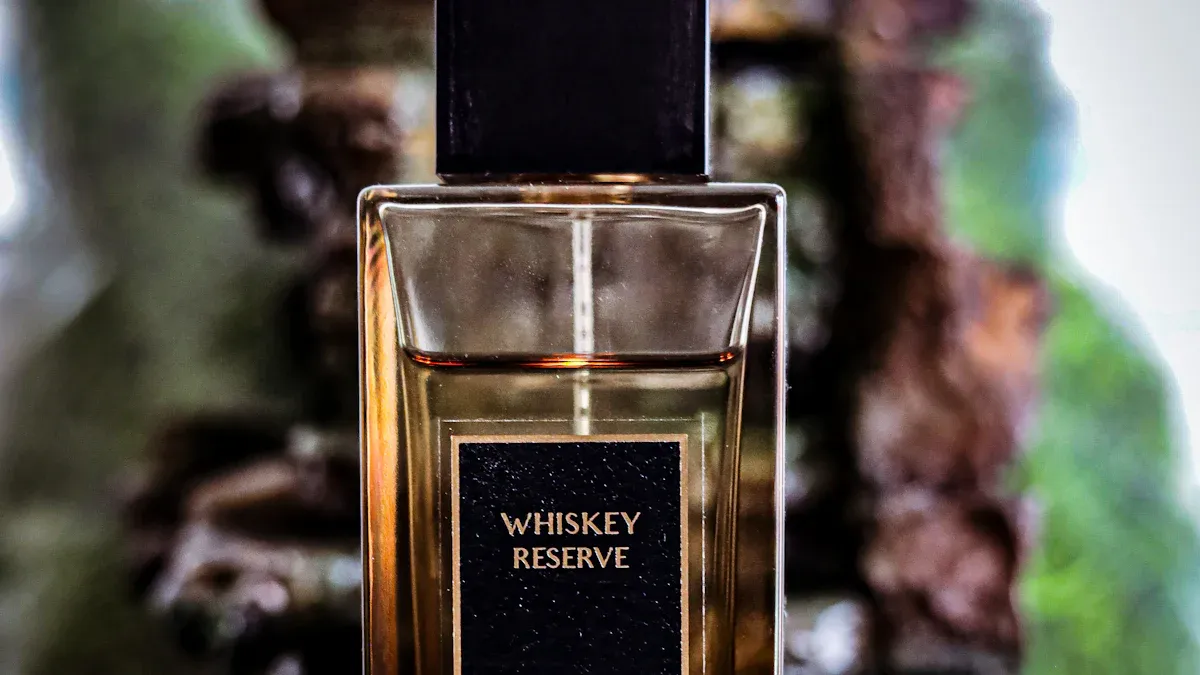
Personalization in fragrance packaging plays a crucial role in today's competitive market. Research shows that more than 70 percent of consumers prefer brands that offer customized packaging. They associate this personalization with luxury and higher quality. This connection enhances the consumer experience and fosters brand loyalty. I believe that brands can stand out by adopting innovative fragrance packaging methods. By doing so, they not only attract attention but also build lasting relationships with their customers.
Key Takeaways
- Personalized fragrance packaging makes products feel special and builds strong customer loyalty.
- Limited edition and interactive packaging create excitement and deeper connections with consumers.
- Technology like 3D printing and augmented reality allows brands to offer unique and engaging experiences.
- Sustainability and niche fragrances meet growing consumer demand for eco-friendly and artisanal products.
- Storytelling through packaging helps brands connect emotionally and encourages repeat purchases.
Current Trends in Fragrance Packaging Personalization
Customizable Designs
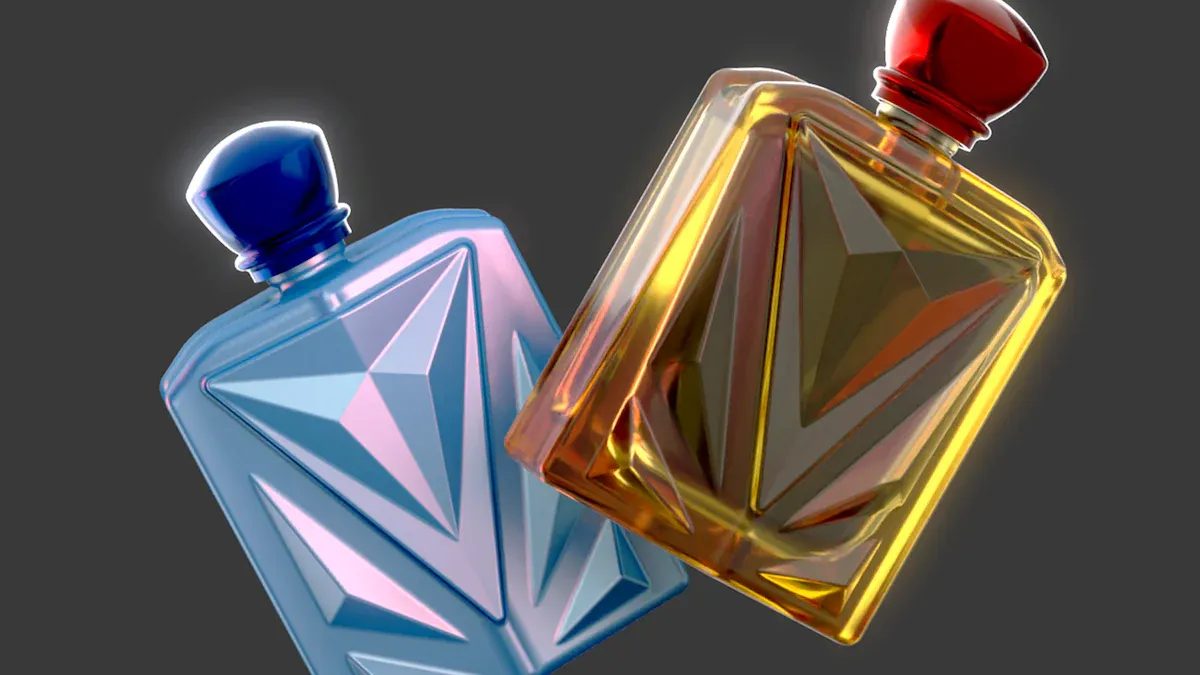
I find that customizable designs in fragrance packaging have become a game-changer for brands. Consumers today crave unique experiences that reflect their personalities. Customizable options, such as engraved initials or personalized labels, enhance emotional connections and make products feel special. I’ve noticed that brands are increasingly adopting technologies like laser engraving and on-demand digital printing. These innovations allow consumers to preview their designs online before making a purchase, fostering a direct connection between the brand and the consumer.
Here are some popular features in customizable fragrance packaging:
- Engraved Initials: Adding a personal touch that makes the product feel exclusive.
- Custom Label Designs: Allowing consumers to express their individuality.
- AI-Powered Personalization: Enabling tailored scent profiles and packaging options.
These trends not only meet consumer demands for personalization but also create a sense of ownership and pride in the product. I believe that when consumers feel a connection to their fragrance packaging, they are more likely to become loyal customers.
Limited Edition Releases
Limited edition releases have become a powerful tool for brands to create exclusivity and drive consumer engagement. I’ve seen how these special editions often commemorate significant moments or anniversaries, transforming fragrances into collectible luxury items. For instance, Chanel's No. 5 Grand Extrait was released for its centenary, turning the perfume into a symbol of artistry and heritage.
Here are some key aspects of limited edition releases:
- Artistic Collaborations: Brands partner with artists to create unique packaging that appeals to collectors.
- Seasonal Editions: Fragrances released during holidays evoke festive emotions and create urgency.
- Geographical Exclusivity: Niche brands like Le Labo offer city-specific scents, enhancing desirability through rarity.
These limited editions not only elevate the fragrance experience but also reinforce brand identity. The intricate designs and high-quality materials used in these releases create a sense of luxury that resonates with consumers. I believe that the allure of owning something unique drives demand and fosters deeper connections with the brand.
Interactive Packaging
Interactive packaging is revolutionizing how consumers engage with fragrance products. I’ve observed that brands are integrating smart technologies, such as QR codes and NFC chips, to link physical products to digital experiences. This innovation allows consumers to access personalized brand stories, usage guides, and exclusive offers, enhancing their overall experience.
Some exciting features of interactive packaging include:
- Mist Spray Caps: Ensuring fine mist distribution for an improved fragrance application.
- Hidden Messages: Packaging that reveals surprises or changes appearance with use.
- Scented Packaging: Scratch-and-sniff panels that allow consumers to preview fragrances.
These interactive elements create emotional connections and lasting impressions. I find that when consumers can engage with a product on multiple levels, it enhances their loyalty and encourages repeat purchases. Research shows that brands using smart packaging experience a 20% increase in customer repurchase rates, highlighting the effectiveness of these innovations.
Unique Consumer Experiences in Fragrance Packaging
The Rise of Niche Fragrances
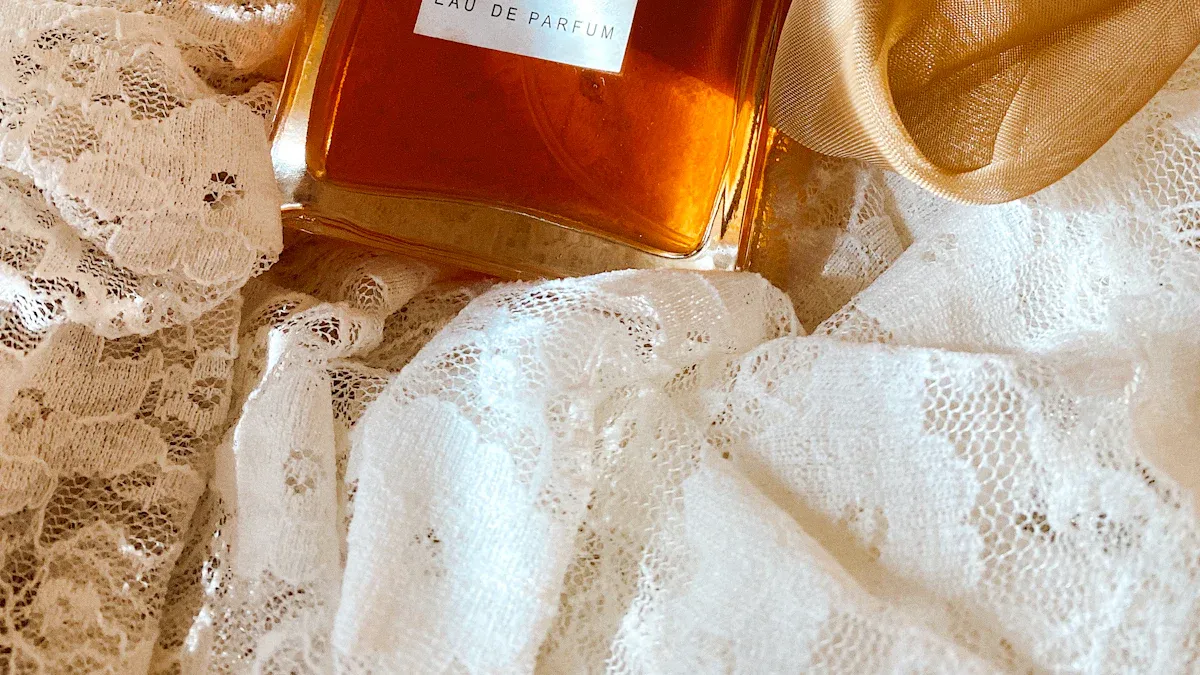
I’ve noticed a significant shift in the fragrance market towards niche fragrances. Consumers increasingly seek unique, artisanal scents that stand out from mainstream options. This trend has led retailers to adopt immersive personalization stations in stores. These stations offer refillable luxury packaging and sustainable materials, aligning with eco-conscious consumer values. I believe this focus on individuality not only enhances the shopping experience but also fosters a deeper connection between consumers and brands.
Here are some key aspects of this trend:
- Artisanal Craftsmanship: Niche brands often emphasize handcrafted aesthetics, making fragrances feel like collectible art pieces.
- Sustainability: Refillable bottles and biodegradable packaging reflect a growing demand for eco-friendly options.
- Personalized Experiences: AI-powered tools help consumers find scents tailored to their preferences, moods, and identities.
Personalization through Scent Selection
Personalization in scent selection has transformed how consumers engage with fragrances. I find that brands are increasingly using smart technologies to allow consumers to customize their fragrance experiences. For instance, AI tools analyze individual preferences to create bespoke scents. This level of personalization elevates the shopping experience and encourages repeat purchases.
Some exciting developments in this area include:
- Customizable Packaging: Brands offer unique shapes, finishes, and textures that resonate with consumer identities.
- Interactive Elements: QR codes and NFC technology enable consumers to track usage and access personalized content.
- Multi-Sensory Experiences: Combining textures and scents in packaging enriches the unboxing experience, making it memorable.
Packaging as a Storytelling Medium
I believe packaging serves as a powerful storytelling medium that connects consumers to brands. It acts as the first sensory touchpoint, using color, materials, and design to create an emotional bond. Luxury brands often employ minimalist designs to convey sophistication, while eco-conscious brands use sustainable materials to communicate their values.
Here are some ways packaging tells a story:
- Visual Elements: Colors and shapes reflect the brand's identity and evoke specific emotions.
- Interactive Features: Augmented reality and digital elements deepen engagement and enhance the narrative.
- Narrative Text: Packaging can include stories about the fragrance's origins, ingredients, or inspiration, inviting consumers to connect on a personal level.
In my experience, when brands successfully weave storytelling into their packaging, they create lasting impressions that foster loyalty and encourage repeat purchases.
Technology's Impact on Fragrance Packaging Personalization
3D Printing in Packaging
I find that 3D printing is revolutionizing fragrance packaging personalization. This technology allows brands to create intricate and unique bottle designs that traditional manufacturing methods simply cannot achieve. For instance, Designer Parfums introduced the first 3D-printed fragrance bottles designed by Ross Lovegrove. These bottles feature complex shapes made from luxurious materials like gold-plated titanium. The ability to produce such detailed designs opens up new avenues for creativity and personalization in fragrance packaging.
Moreover, 3D printing drastically reduces production time. What once took weeks can now be accomplished in just a few hours. This rapid prototyping enables brands to test and refine their designs quickly. I believe this speed is crucial in the fast-paced fragrance market, where trends can change overnight. Brands can now offer limited-edition releases or customizable options without incurring high costs. This flexibility not only enhances consumer experience but also strengthens brand loyalty.
Augmented Reality Experiences
Augmented reality (AR) is another exciting development in fragrance packaging. I’ve seen how brands are integrating AR features to create immersive experiences for consumers. For example, some fragrance brands use QR codes on their packaging that lead to interactive apps. These apps allow users to explore new perfume recipes, track their fragrance usage, and receive personalized recommendations based on their preferences.
Consumers have responded positively to these AR features. They report that these experiences enhance the unboxing process, making it more engaging and memorable. I believe that when brands leverage AR effectively, they create emotional connections with consumers, which fosters loyalty and encourages repeat purchases. However, it’s essential for brands to ensure that these AR experiences are user-friendly. Clear instructions and intuitive design can significantly enhance consumer interaction.
Data-Driven Customization
Data-driven customization is transforming how fragrance brands connect with their customers. I’ve noticed that many brands are now using smart technologies, such as embedded sensors and QR codes, to gather consumer data. This data helps brands understand individual preferences and tailor their packaging accordingly. For instance, digital printing technologies allow for bespoke designs that reflect a consumer's unique style.
However, with this innovation comes the responsibility of protecting consumer data. Brands must be transparent about how they use data and comply with privacy regulations. I believe that maintaining consumer trust is crucial for the long-term success of data-driven personalization. When brands prioritize privacy while offering personalized experiences, they can build stronger relationships with their customers.
Successful Case Studies in Fragrance Packaging
Brand A: Customizable Bottles
I find that Brand A has made waves with its customizable bottles. Their approach allows consumers to personalize their fragrance packaging, which resonates deeply with today's shoppers. Research shows that 76% of customers are more likely to buy from brands offering personalization. This strategy not only enhances customer satisfaction but also boosts sales. For instance, Coca-Cola's "Share a Coke" campaign demonstrated how personalized products can lead to significant sales increases. I believe that when consumers can add their personal touch, they feel a stronger connection to the product, leading to repeat purchases.
Brand B: Interactive Packaging Campaigns
Brand B has taken interactive packaging to new heights. They use storytelling and vivid imagery to engage consumers. Their campaigns often include QR codes that link to exclusive content, enhancing the overall experience. I’ve seen how these strategies improve customer engagement and create lasting impressions. The results speak for themselves: brands that implement such interactive elements report increased customer satisfaction and higher social media engagement. I think this innovative approach not only captivates consumers but also strengthens brand loyalty.
Brand C: Personalized Scent Profiles
Brand C has excelled in creating personalized scent profiles that resonate with consumers. They understand that fragrance is a form of personal expression. By aligning their scents with individual preferences, they evoke positive emotions and memories. This emotional engagement fosters long-term loyalty. Research indicates that consumers are more likely to return to brands that create memorable experiences. I believe that by focusing on personalized scent profiles, Brand C has successfully transformed product interactions into cherished moments, enhancing consumer perception and satisfaction.
Personalization plays a vital role in enhancing brand loyalty. I’ve seen firsthand how customized fragrance packaging fosters deeper connections between consumers and brands. When consumers feel that a product reflects their individuality, they are more likely to return for future purchases.
Looking ahead, I expect personalization in fragrance packaging to evolve significantly. Brands will focus on luxury appeal, sustainability, and digital innovation. Here are some anticipated trends:
- Bespoke designs that cater to individual tastes.
- Smart packaging technologies like NFC tags for enhanced engagement.
- Refillable and reusable options that align with eco-conscious values.
As personalization becomes a mainstream expectation, I believe it will shape the future of fragrance packaging, making it more meaningful and unique for consumers.
0users like this.