Blog
Key Trends in Custom Luxury Packaging for a Memorable Experience
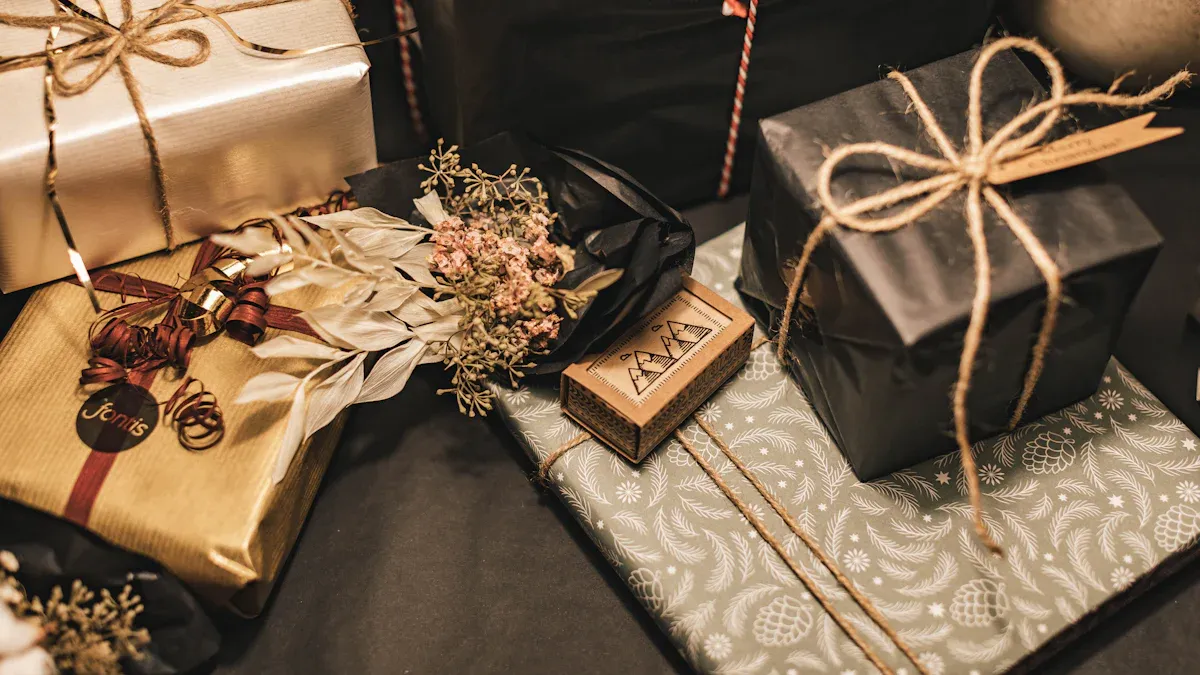
Custom luxury packaging plays a crucial role in shaping how consumers perceive a brand. It not only protects the product but also enhances its overall allure. I’ve noticed that packaging significantly influences customer experience and loyalty. For example, surveys show that by 2025, 45% of luxury consumers will prioritize sustainability in packaging. This shift reflects a growing demand for eco-friendly materials and personalized designs. As luxury brands adapt to these trends, they foster deeper emotional connections with their customers, creating memorable experiences that keep them coming back.
Key Takeaways
- Luxury brands use eco-friendly materials like biodegradable plastics and recycled paper to reduce environmental impact and attract conscious customers.
- Personalized packaging with custom designs and data-driven features creates unique experiences that build strong emotional connections and loyalty.
- Minimalistic packaging with clean, simple designs and functional elements enhances product quality and brand identity.
- Smart packaging technologies like QR codes and NFC add interactive features that educate customers and increase engagement.
- Engaging unboxing experiences with multi-sensory elements and social media sharing make customers feel valued and boost brand visibility.
Sustainable Materials in Custom Luxury Packaging
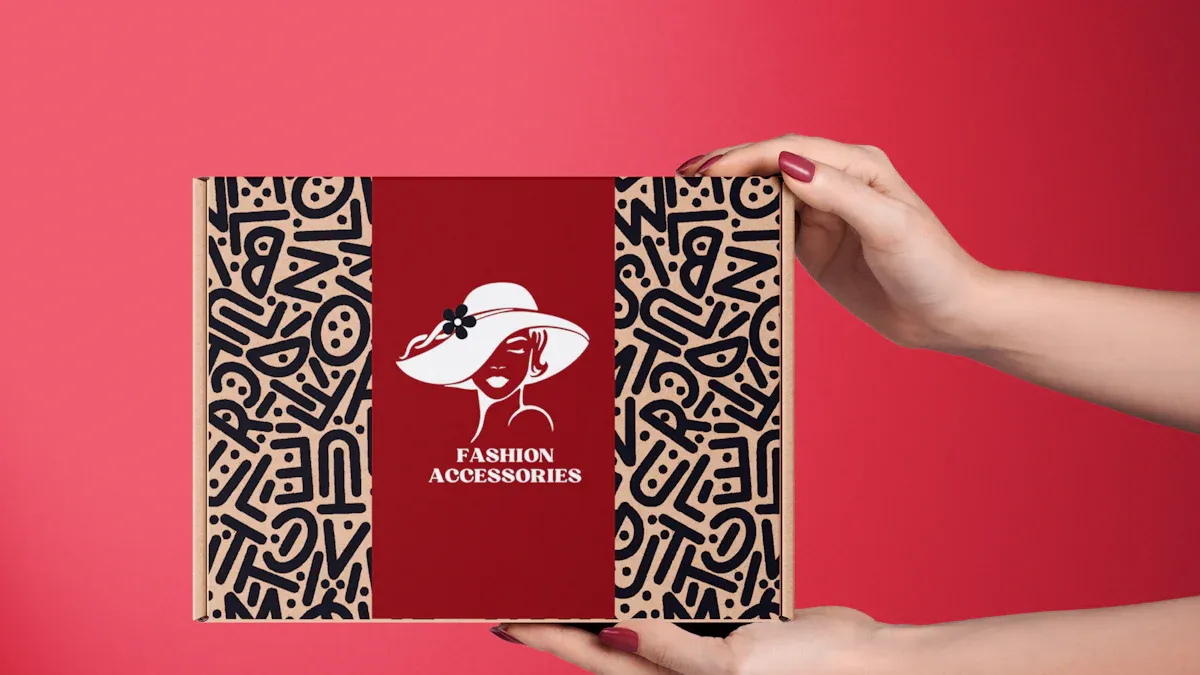
Sustainable materials are transforming the landscape of custom luxury packaging. As I explore this trend, I see how brands are prioritizing eco-friendly options to meet consumer demands and enhance their brand image.
Biodegradable Options
Biodegradable materials are gaining traction in luxury packaging. I find it fascinating that brands are now using materials like PLA (Polylactic Acid) and PHA (Polyhydroxyalkanoates). These materials come from renewable resources and break down naturally, reducing environmental impact. For instance, PLA is popular in cosmetics and gourmet food packaging. It offers a premium feel while being environmentally friendly.
Here’s a quick overview of some commonly used biodegradable materials in luxury packaging:
| Biodegradable Material Type | Application Sector(s) | Market Segment / Value (2024) | Market Share / Growth Rate / Notes |
|---|---|---|---|
| PLA (Polylactic Acid) | Cosmetics, personal care, fashion, gourmet food, luxury gifting | Part of biodegradable plastics segment | Widely adopted in luxury sectors; used in seasonal fragrances, premium gift sets, luxury confectionery packaging |
| PHA (Polyhydroxyalkanoates) | Cosmetics, personal care, premium skincare jars, perfume bottles | Included in biodegradable plastics segment | Used in rigid packaging; focus of luxury brands for refillable, durable packaging |
| Starch-based materials | Gourmet food, luxury gifting | Included in biodegradable plastics segment | Used in artisanal and organic packaging for gourmet food brands |
| Mycelium-based packaging | Luxury gifting, rigid boxes | N/A | Used for rigid boxes made from mushrooms, supporting zero-waste gifting experiences |
By adopting these biodegradable options, luxury brands can significantly reduce their environmental footprint. I’ve seen how companies like Gucci and Stella McCartney are leading the way by incorporating these materials into their packaging strategies.
Recycled Content
Recycled content is another key player in sustainable luxury packaging. I believe that using materials like FSC-certified paper and post-consumer waste not only enhances the brand's sustainability story but also maintains the luxurious feel that consumers expect. Research shows that consumers appreciate brands that prioritize recycled materials. They see it as a commitment to sustainability without compromising quality.
Luxury brands can further enhance consumer perception by educating them about the eco-friendly nature of recycled materials. This approach fosters trust and deepens the brand narrative beyond mere aesthetics. For example, LVMH Beauty has replaced plastic containers with bio-based Surlyn, derived from waste cooking oil, showcasing how luxury can align with sustainability.
Eco-Friendly Inks
Eco-friendly inks are revolutionizing the way luxury brands approach packaging design. I find it impressive that many brands are now opting for plant-based inks made from renewable resources. These inks, such as soy and algae-based options, are biodegradable and release fewer volatile organic compounds (VOCs), making them safer for both consumers and the environment.
Here’s a quick comparison of popular eco-friendly inks used in luxury packaging:
| Ink Type | Popularity in Luxury Packaging | Environmental Benefits | Brand Examples |
|---|---|---|---|
| Algae-Based | Highly favored | Low VOC emissions (up to 70% less), renewable | Chanel (sustainability branding) |
| UV-Curable | Widely used | Enables security features, low VOC emissions | Louis Vuitton (security QR codes) |
By integrating eco-friendly inks, luxury brands can maintain vibrant colors while reducing their environmental impact. This shift not only aligns with consumer preferences but also reinforces the brand's commitment to sustainability.
Advanced Personalization Techniques in Custom Luxury Packaging
In the world of custom luxury packaging, personalization has become a game-changer. I’ve seen firsthand how brands leverage advanced techniques to create unique experiences that resonate with their customers. Personalization not only enhances the unboxing experience but also fosters emotional connections that drive loyalty and repeat purchases.
Customizable Designs
Customizable designs play a pivotal role in engaging customers. When brands offer options like custom-printed names or unique messages, they create a sense of exclusivity. I’ve noticed that packaging is often the first tangible interaction a customer has with a brand. This initial contact can significantly influence their perception and trust. Here are some ways customizable designs impact customer engagement:
- Memorable Unboxing Experiences: Custom printed boxes with logos and unique designs create a lasting impression.
- Emotional Connection: Personalized packaging fosters appreciation, making customers feel valued.
- Reinforced Brand Recognition: Unique designs enhance brand visibility and recall.
For instance, I remember Coca-Cola’s “Share a Coke” campaign, where personalized bottles led to increased engagement and repeat purchases. Such strategies highlight how effective customizable designs can be in the luxury sector.
Data-Driven Personalization
Data-driven personalization techniques are revolutionizing how luxury brands approach packaging. By analyzing customer data, brands can tailor their packaging to meet individual preferences. I find it fascinating how brands like LVMH and Burberry utilize data to enhance customer experiences. Here’s a quick overview of some effective techniques:
| Brand | Personalization Techniques & Technologies | Outcomes & Benefits |
|---|---|---|
| LVMH | Centralized data platform integrating e-commerce, CRM, social media, IoT; personalized online appointments, live chats, virtual try-ons, curated recommendations | Increased online sales by 60%, customer retention by 40% |
| Burberry | RFID tags triggering personalized content on smartphones/in-store screens; personalized recommendations based on browsing and purchase history | Online sales up 50%, in-store sales up 15% |
| Gucci | Analyzes customer feedback, social media sentiment, online behavior; uses RFID, AI, blockchain to optimize design, production, and supply chain | Improved product innovation, quality, efficiency; reduced environmental impact |
These data-driven strategies not only enhance the packaging experience but also build a deeper emotional connection with customers. I’ve seen how personalized touches, like custom embossing or handwritten notes, can elevate the overall experience and make customers feel special.
Unique Customer Experiences
Creating unique customer experiences through advanced personalization is essential in the luxury market. I believe that when brands incorporate personal touches into their packaging, they transform a simple box into a meaningful experience. Here are some ways brands achieve this:
- Hyper-Personalization: Brands use customer preferences to create tailored packaging designs, such as customized initials or color themes.
- Multi-Sensory Elements: Incorporating textures, sounds, and even scents can deepen emotional connections.
- Memorable Moments: Personalized packaging, like limited-edition gifts or handwritten notes, creates exclusive experiences that resonate with customers.
For example, luxury brands often use eco-friendly materials while ensuring that their packaging remains elegant and premium. This approach aligns with modern consumer values, enhancing brand loyalty and satisfaction. I’ve seen how brands like Seed Health use custom packaging to communicate their values, delighting customers and reinforcing brand recognition.
Minimalistic Designs in Custom Luxury Packaging
Minimalistic designs have become a hallmark of custom luxury packaging. I appreciate how this approach emphasizes simplicity and elegance, allowing brands to convey their core identity without unnecessary embellishments. Minimalism focuses on essential design elements, such as pure spaces, limited color palettes, and clean lines. This style not only communicates exclusivity but also enhances the perceived quality of the product.
Clean Aesthetics
I find that clean aesthetics in packaging create a strong visual statement. Brands like La Prairie and Chanel Beauty exemplify this trend. Their use of neutral color palettes and simple typography reinforces a sense of sophistication. Research shows that 60% of luxury consumers prefer sleek, simple packaging over ornate designs. This preference highlights how minimalistic packaging can enhance product visibility and brand recognition in competitive markets.
Functional Packaging
Functional packaging is another critical aspect of minimalism. I believe that when packaging serves a purpose beyond aesthetics, it adds value to the customer experience. For example, using eco-friendly materials not only aligns with sustainability values but also attracts eco-conscious consumers. This approach fosters emotional connections and strengthens brand loyalty. I’ve noticed that brands that prioritize functionality often see an increase in perceived quality and a willingness among consumers to pay premium prices.
Brand Storytelling
Minimalistic designs also play a vital role in brand storytelling. I see how brands can communicate their values and identity through thoughtful packaging choices. By focusing on quality materials and innovative designs, brands can create a narrative that resonates with consumers. For instance, Augustinus Bader uses frosted glass with gold accents to convey a refined aesthetic, reinforcing their commitment to luxury and quality. This storytelling aspect not only enhances the unboxing experience but also builds trust and encourages repeat purchases.
Smart Packaging Technology in Custom Luxury Packaging
Smart packaging technology is revolutionizing the way luxury brands connect with their customers. I find it exciting how innovations like QR codes, NFC technology, and interactive features enhance the overall experience of custom luxury packaging.
QR Codes and Augmented Reality
QR codes are becoming essential in luxury packaging. They link customers to interactive digital content, enriching the unboxing experience. I’ve seen how brands use QR codes to provide:
- Instructional Videos: Customers can scan codes to access tutorials that help them use products effectively.
- Product Information: Detailed descriptions and benefits are just a scan away, ensuring customers know what they’re purchasing.
- Augmented Reality Experiences: AR overlays digital content on packaging, creating immersive experiences. This technology allows for gamification and virtual try-ons, making brand engagement entertaining and unique.
Moreover, AR storytelling can communicate a brand's sustainability efforts, adding transparency and value to the luxury experience. I believe this level of interaction fosters deeper emotional connections with customers.
NFC Technology
NFC technology is gaining traction in luxury packaging. The market for NFC-embedded packaging is projected to grow significantly, from USD 5.87 billion in 2025 to USD 19.22 billion by 2034. This growth reflects the increasing demand for smart packaging and contactless interactions. I find it fascinating that luxury brands like L’Oréal Paris have implemented NFC-enabled packaging. This allows consumers to access bespoke tutorials and AR experiences, resulting in a 22% increase in repeat purchases.
NFC technology combats counterfeiting and enhances exclusivity. It also supports supply chain transparency, which is crucial for luxury brands. By integrating AI, brands can optimize inventory and improve sustainability, further increasing the appeal of NFC technology.
Interactive Features
Interactive features in smart packaging significantly influence customer engagement. I’ve noticed that these elements create memorable experiences that boost brand recall. Here are some ways they do this:
- Dynamic Platforms: Augmented reality labels and smart QR codes transform packaging into engaging platforms.
- Emotional Connections: These technologies provide detailed product information and engaging storytelling, fostering deeper brand experiences.
- Consumer Insights: Brands can collect valuable feedback, allowing for targeted marketing and continuous improvement.
Overall, interactive packaging creates meaningful consumer interactions, enhancing brand visibility and driving sustainable growth. I believe that as luxury brands adopt these technologies, they will not only elevate their packaging but also strengthen their relationships with customers.
Interactive Unboxing Experiences in Custom Luxury Packaging
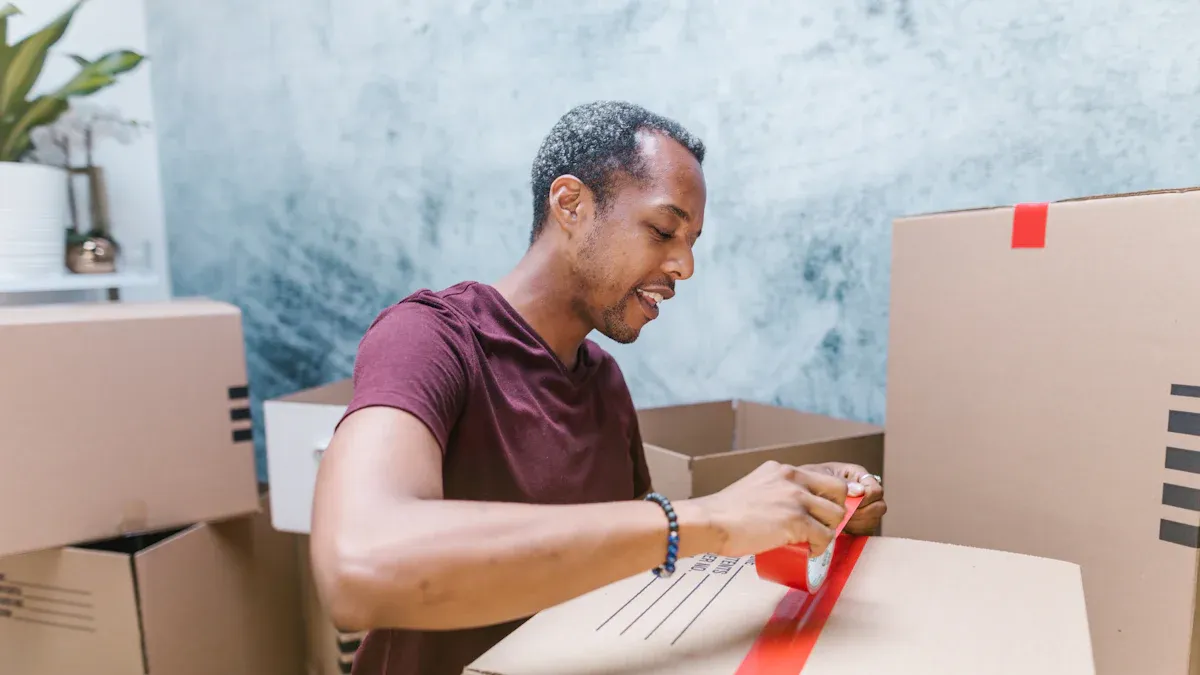
Creating an engaging unboxing experience is essential for luxury brands. I believe that the way a product is presented can significantly impact customer satisfaction and loyalty. Here are some strategies I find effective for enhancing the unboxing experience:
Engaging Presentation
An engaging presentation captures attention and creates excitement. I often see brands using premium materials to elevate their packaging. Here are some effective strategies:
- Use Eco-Friendly Materials: Brands can convey luxury and sustainability by using recycled cardboard or biodegradable fillers.
- Personal Touches: Handwritten notes or thank-you messages build emotional connections with customers.
- Thoughtful Accessories: Including small gifts or samples surprises customers and enhances their satisfaction.
- Visually Appealing Designs: Vibrant colors, unique shapes, and premium finishes attract attention and reflect brand values.
- Interactive Elements: QR codes or augmented reality features provide exclusive content, increasing engagement.
- Ease of Use: Smooth opening mechanisms, like magnetic closures, prevent customer frustration.
- Encourage Social Sharing: Creating Instagram-worthy packaging and promoting hashtags helps build community and amplify brand visibility.
I’ve noticed that brands like Glossier and Lush Cosmetics excel in these areas. Their packaging not only looks great but also creates memorable experiences that customers want to share.
Multi-Sensory Elements
Multi-sensory elements play a crucial role in making unboxing memorable. Engaging multiple senses—sight, touch, smell, and sound—creates a stronger emotional connection between the consumer and the brand. Here are some ways to enhance the sensory experience:
- High-Quality Materials: Using luxurious textures and unique designs evokes brand ethos and resonates psychologically with consumers.
- Innovative Mechanisms: Features like slow reveals or magnetic closures create a sense of discovery and exclusivity.
- Tactile Engagement: Textural contrasts and appealing color schemes enhance both tactile and visual engagement.
- Tech-Enhanced Features: Augmented reality and QR codes extend the unboxing experience digitally, making it immersive and shareable.
I find that these multi-sensory strategies transform unboxing from a simple action into an unforgettable event. Brands that incorporate these elements often see increased loyalty and brand recognition.
Social Media Integration
Social media integration is vital for luxury brands looking to enhance their unboxing experiences. I’ve seen how brands leverage platforms to foster authentic connections with customers. Here’s how social media plays a role:
- User-Generated Content (UGC): Encouraging customers to share their unboxing experiences creates an interactive relationship between the brand and its community.
- Branded Hashtags: Using specific hashtags helps collect authentic unboxing content, increasing conversion rates and deepening loyalty.
- Influencer Collaborations: Partnering with influencers allows brands to reach new audiences and showcase genuine user experiences.
For instance, CLUSE successfully used hashtags like #CLUSE and #CLUSEwatches to gather over 19,000 customer images and videos, resulting in a 19% increase in conversion rates. This demonstrates the power of social media in enhancing brand visibility and engagement.
Innovative packaging trends play a vital role in shaping the luxury market. I see how brands that embrace sustainability and personalization not only enhance their image but also create lasting emotional connections with consumers.
- Sustainable packaging signals a commitment to environmental responsibility, appealing to eco-conscious customers.
- Personalized designs foster intimacy, making each unboxing experience unique and memorable.
These strategies can significantly boost customer loyalty. In fact, 75% of consumers view packaging as a quality indicator, and 64% are more likely to stay loyal to brands with strong packaging. As luxury brands adopt these trends, they can strengthen their identity and market share, ensuring long-term success.
1users like this.