Blog
How to Optimize Your Perfume Packaging Strategy for Success
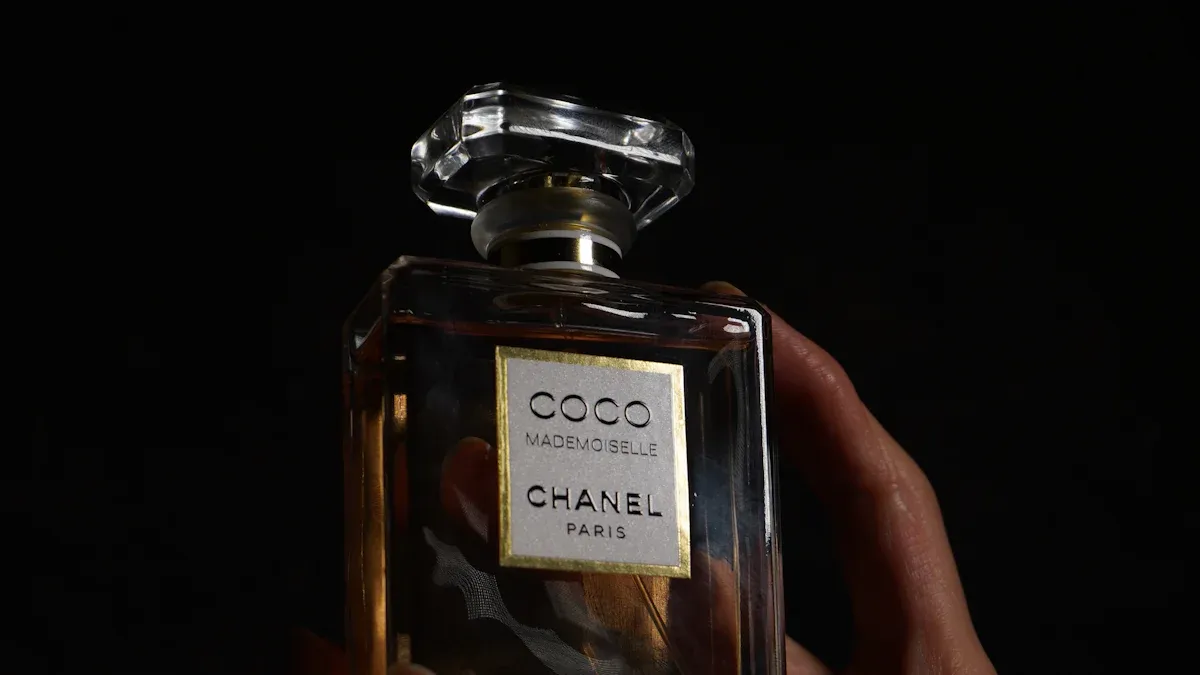
Effective perfume packaging for startups plays a crucial role in attracting customers and ensuring product safety. In fact, nearly half of clean beauty users in the US have stopped using a product due to safety concerns, underscoring the importance of thoughtful packaging design. Additionally, sustainable packaging is gaining traction, with consumers willing to pay about twice as much for eco-friendly options. For startups, using wholesale perfume bottles offers a cost-effective solution that meets these growing demands.
Key Takeaways
- Strong perfume packaging attracts customers and protects the product while showing your brand's identity.
- Startups should focus on materials, colors, typography, and sustainability to create memorable packaging.
- Using eco-friendly and recyclable materials helps meet customer demand and builds a positive brand image.
- Testing designs and gathering customer feedback improves packaging before final production.
- Following current trends like minimalism, personalization, and refillable bottles keeps your brand competitive.
The Importance of Packaging in the Perfume Industry
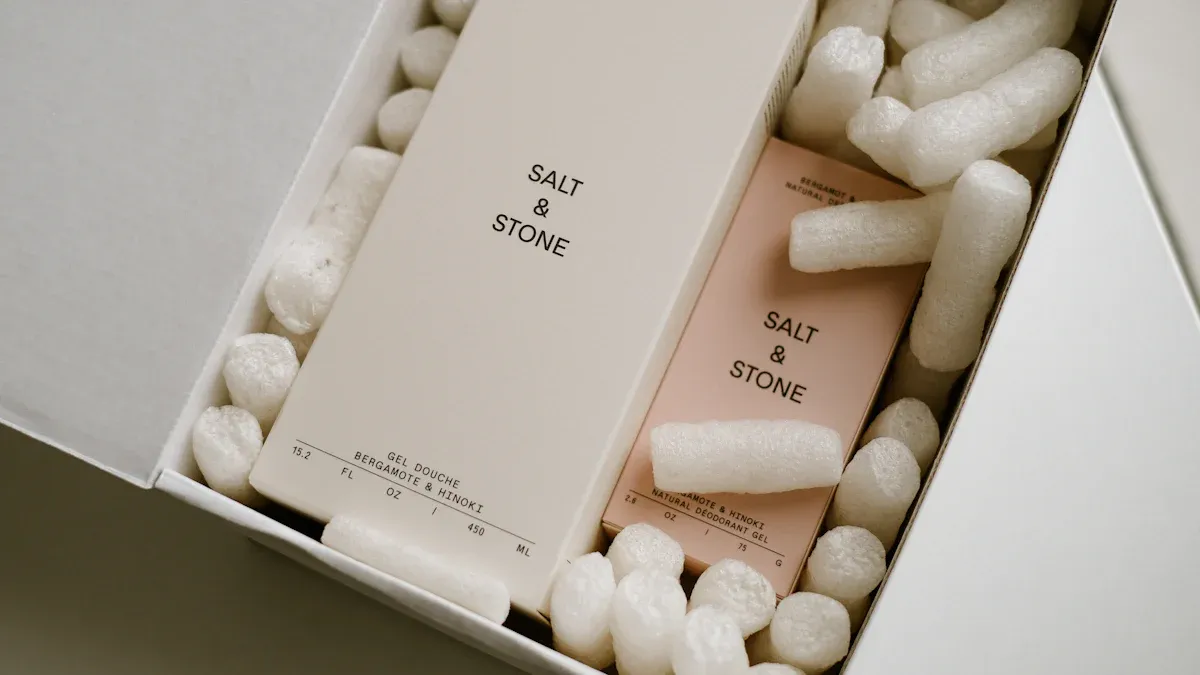
When I think about the perfume industry, packaging stands out as a vital element that shapes consumer perceptions and drives sales. Effective packaging does more than just hold the product; it communicates the brand's identity and values. In my experience, I’ve seen how a beautifully designed bottle can evoke emotions and create a sense of luxury. This is crucial because packaging directly impacts consumer appeal, product protection, and brand communication.
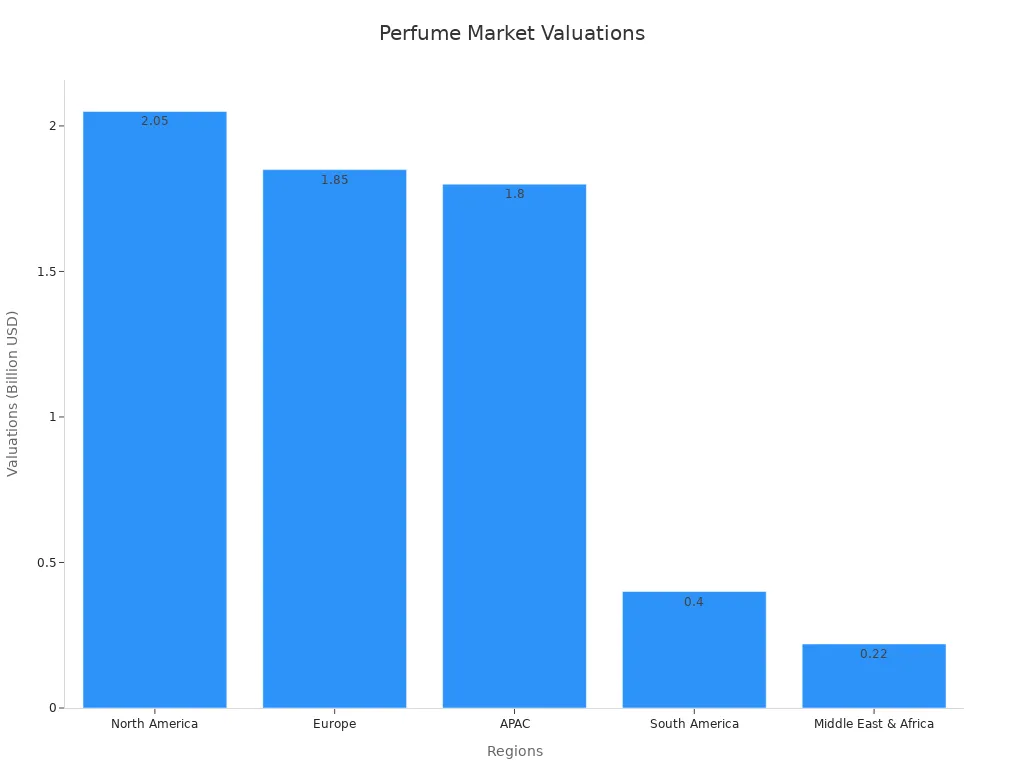
Consider this: primary packaging in the perfume market is projected to grow at a compound annual growth rate (CAGR) of 7.8% from 2022 to 2027. This growth highlights how essential packaging is for customer retention and market competitiveness. The Asia-Pacific region leads this trend, holding a 46.9% market share, driven by emerging economies like India and China. Rising disposable incomes and lifestyle changes in these regions are boosting perfume consumption significantly. For instance, the Indian perfume market is expected to soar from $970 million in 2019 to over $2 billion by 2025.
Key Aspects of Packaging in the Perfume Industry: - Consumer Appeal: Attractive packaging draws customers in. - Product Protection: Quality materials safeguard the fragrance. - Brand Communication: Packaging conveys luxury and exclusivity.
The statistics speak volumes. A staggering 43% of shoppers are willing to pay more for recyclable packaging. This shift indicates a growing consumer demand for sustainable options. Additionally, 65% of brands and retailers have reduced their use of virgin plastic since 2018. Major brands are now opting for recyclable and biodegradable materials, such as glass and aluminum, to meet these expectations.
| Aspect | Details |
|---|---|
| Market Segments | Luxury Perfumes (lead in packaging innovation), Premium Perfumes (balance quality and affordability), Mass Market Perfumes (volume-driven) |
| Market Growth Drivers | Rising consumer spending, increasing fragrance demand, e-commerce expansion requiring durable packaging |
| Sustainability Trends | Growing importance of eco-friendly packaging reflecting consumer preferences |
Packaging also plays a crucial role in differentiating brands in a crowded market. Innovative designs can enhance brand identity and foster customer loyalty. For example, brands like Marc Jacobs and L'Oréal Luxe continuously launch new perfumes with unique packaging that captivates consumers. This strategy not only attracts attention but also reinforces brand recognition.
Key Elements of Perfume Packaging for Startups
When I think about perfume packaging for startups, several key elements come to mind. These elements can make or break your brand's first impression. Here are the essentials I believe every startup should consider:
-
First Impressions Matter: A memorable unboxing experience can set the tone for your fragrance. For instance, Jo Malone's iconic cream and black box builds anticipation and leaves a lasting impression. I always aim to create that same excitement for my customers.
-
Material Matters: The materials you choose should reflect your brand values. Viktor & Rolf's grenade-shaped bottle symbolizes the powerful impact of their scent. I find that selecting unique materials can enhance the overall perception of the product.
-
Color Psychology: Colors evoke emotions and convey brand identity. Chanel No. 5 uses a minimalist clear glass to represent timeless elegance, while Juicy Couture opts for bright pink to express playful luxury. I often experiment with colors to see how they resonate with my target audience.
-
Typography Tells: The fonts you use can communicate your brand's personality. For example, Dior employs a classic serif font for sophistication, while Calvin Klein uses a modern sans-serif for a unisex appeal. I pay close attention to typography to ensure it aligns with my brand message.
-
Sustainability Sells: Eco-friendly packaging attracts environmentally conscious consumers. Lush's solid perfumes, which eliminate traditional packaging, are a great example. I strive to incorporate sustainable practices into my packaging to appeal to this growing market.
-
Interactive Elements: Adding personalized features can engage customers. Le Labo's custom labels connect customers to the brand narrative, creating a unique experience. I believe that interactive elements can foster loyalty and enhance customer relationships.
By focusing on these key elements, startups can create effective perfume packaging that resonates with consumers and stands out in a competitive market.
Practical Tips for Effective Perfume Packaging Design
When I design perfume packaging, I focus on several practical tips that can elevate my brand and resonate with consumers. Here are some strategies I find effective:
-
Choose Eco-Friendly Materials: I prioritize sustainable packaging options. Consumers increasingly seek eco-friendly products due to growing environmental concerns. By using recyclable and biodegradable materials, I not only meet consumer demand but also enhance my brand's image. For instance, glass is a fantastic choice. It is 100% recyclable and offers a luxurious feel while protecting the fragrance quality. I also explore innovative materials like bamboo and recycled metals to boost my ecological accountability.
-
Iterate Your Design: I believe in the power of the iterative design process. This approach allows me to evaluate different material alternatives and balance aesthetics, functionality, and cost. I often create prototypes to see how my packaging looks and feels. This hands-on experience helps me refine my designs before final production.
-
Embrace Minimalism: Current market trends emphasize minimalism and vintage aesthetics. I find that simple, elegant designs often attract more attention. A clean look can convey sophistication and luxury. I aim to strip away unnecessary elements and focus on what truly represents my brand.
-
Utilize Advanced Manufacturing Technologies: I leverage technologies like 3D printing to create unique and intricate designs. This method not only supports eco-friendly production but also allows me to experiment with shapes and sizes without incurring high costs. It’s exciting to see how technology can enhance creativity in packaging design.
-
Connect with Your Audience: Personalization is key. I strive to create packaging that tells a story and connects with my customers. For example, I might include a handwritten note or a unique label that reflects the fragrance's inspiration. This personal touch can foster loyalty and make my brand memorable.
-
Test and Gather Feedback: Before launching my packaging, I conduct tests and gather feedback from potential customers. Their insights can reveal what works and what doesn’t. I often ask questions about the design, usability, and overall appeal. This feedback loop is invaluable for refining my packaging strategy.
By implementing these practical tips, I can create effective perfume packaging that not only stands out on the shelf but also aligns with consumer values. As I continue to innovate and adapt, I remain committed to enhancing my brand's presence in the competitive perfume market.
Current Trends in Perfume Packaging
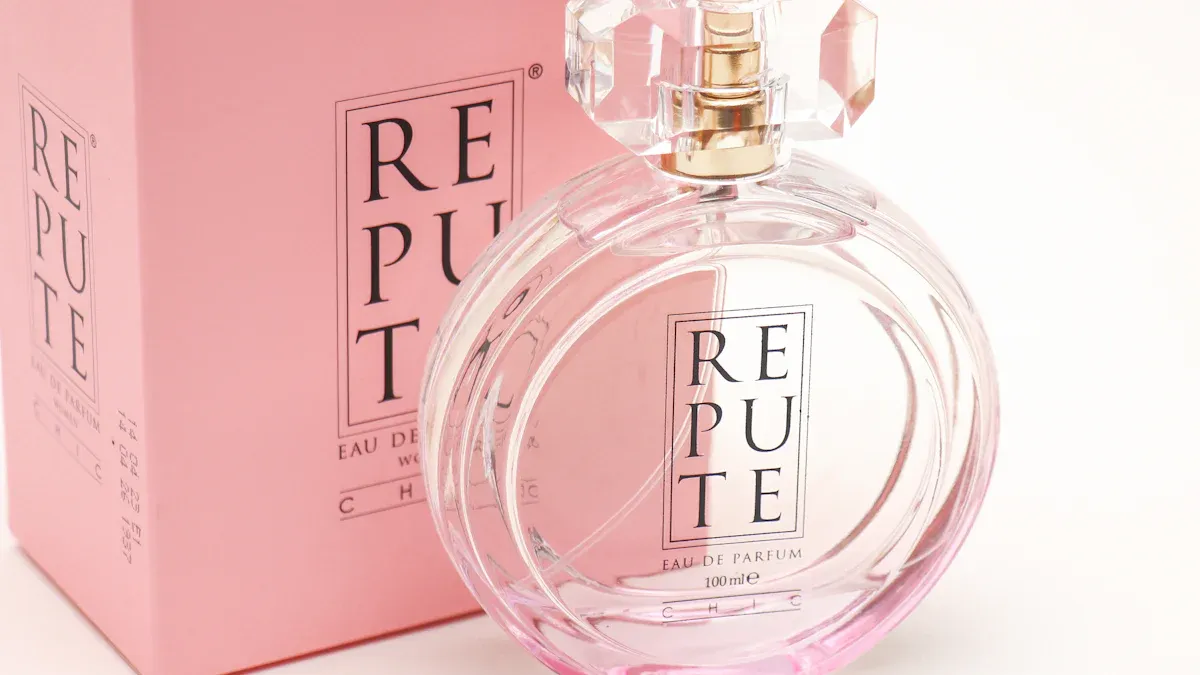
As I explore the current trends in perfume packaging, I notice several exciting developments that reflect consumer preferences and innovative designs. The perfume packaging market is projected to reach $14.2 billion by 2025, with a compound annual growth rate (CAGR) of 5.5% from 2019. This growth signals a strong demand for unique and appealing packaging solutions.
Here are some key trends I find particularly noteworthy:
| Trend/Statistic | Description |
|---|---|
| Glass Packaging Demand | Glass remains the preferred choice due to its luxurious feel and recyclability. The sector is expected to reach $9.82 billion by 2025. |
| Sustainable Packaging | Brands increasingly adopt recyclable, biodegradable, and refillable materials, including bioplastics and mushroom-based packaging. |
| Minimalist Design Trend | Younger consumers favor elegant, simple designs that use fewer materials, associating simplicity with quality. |
| Rise of Solid Perfumes | Solid fragrances are gaining popularity for their portability and discreet use, with major brands offering these options. |
| Refillable Packaging Solutions | Refillable bottles and cartridges align with sustainability and eco-conscious consumer preferences. |
| Social Media Influence | Platforms like TikTok and Instagram shape packaging aesthetics, focusing on shareability and visual impact. |
| Vintage Aesthetics | Retro-inspired packaging appeals to nostalgia and storytelling, creating emotional connections with consumers. |
| Personalization | Custom engravings and labels enhance emotional connections and giftability, with AI-driven customization on the rise. |
| Innovative Materials | The use of bioplastics and recycled components is increasing, helping to reduce the environmental footprint. |
I find that glass packaging holds a 53% revenue share in the market due to its luxury appeal and recyclability. Brands like Lancôme are leading the way by introducing refillable glass bottles with innovative, lighter pumps that combine sustainability with aesthetics.
Moreover, Gen Z consumers are driving demand for personalized, eco-friendly, and portable packaging formats, such as roll-ons and sticks. These formats reflect their values of self-expression and environmental consciousness. Social media heavily influences design trends, encouraging brands to create visually striking and shareable packaging.
The rise of layering perfumes and refillable containers illustrates evolving consumer preferences and design innovations aimed at sustainability and customization. As I adapt my packaging strategy, I keep these trends in mind to ensure my brand resonates with today’s consumers.
Sourcing Wholesale Perfume Bottles for Startups
When I started my journey in the perfume industry, sourcing wholesale perfume bottles was one of my top priorities. I quickly realized that the right bottles could elevate my brand and help me stand out in a crowded market. Here’s what I learned about sourcing these essential components.
First, I recommend researching suppliers who specialize in wholesale perfume bottles. Many online platforms offer a wide variety of options. I often browse sites like Alibaba and GlassBottleOutlet. These platforms provide access to numerous manufacturers, allowing me to compare prices and designs easily.
Next, I focus on quality. I always choose bottles that not only look good but also protect the fragrance inside. Glass bottles are my go-to choice because they preserve scent integrity and convey a sense of luxury. I also pay attention to the closure mechanisms. A secure cap ensures that the fragrance remains fresh and prevents leaks during shipping.
Another important factor is minimum order quantities (MOQs). Many suppliers have MOQs that can be daunting for startups. I suggest looking for suppliers who offer lower MOQs. This flexibility allows me to test different designs without committing to large quantities upfront.
Lastly, I never underestimate the power of communication. I always reach out to suppliers with questions about their products and shipping options. Building a good relationship with them can lead to better deals and more personalized service.
By focusing on these strategies, I’ve successfully sourced wholesale perfume bottles that align with my vision for perfume packaging for startups. This approach has helped me create a strong brand identity while keeping costs manageable.
Optimizing perfume packaging for startups is essential for brand success. I’ve seen firsthand how effective packaging can elevate a product's appeal and influence customer decisions. Research shows that visual attributes like material, color, and shape significantly impact purchase intentions, especially among Generation Z consumers. This demographic values aesthetics, making it crucial to refine your packaging strategy.
To enhance your brand, I encourage you to take actionable steps. Start by experimenting with different materials and designs. Focus on creating a memorable unboxing experience that resonates with your audience. Remember, well-designed packaging not only enhances customer perception but also drives sales. By prioritizing these elements, you can position your brand for long-term success in the competitive perfume market.
1users like this.