Blog
How to Blend Art and Functionality in Perfume Bottle Design
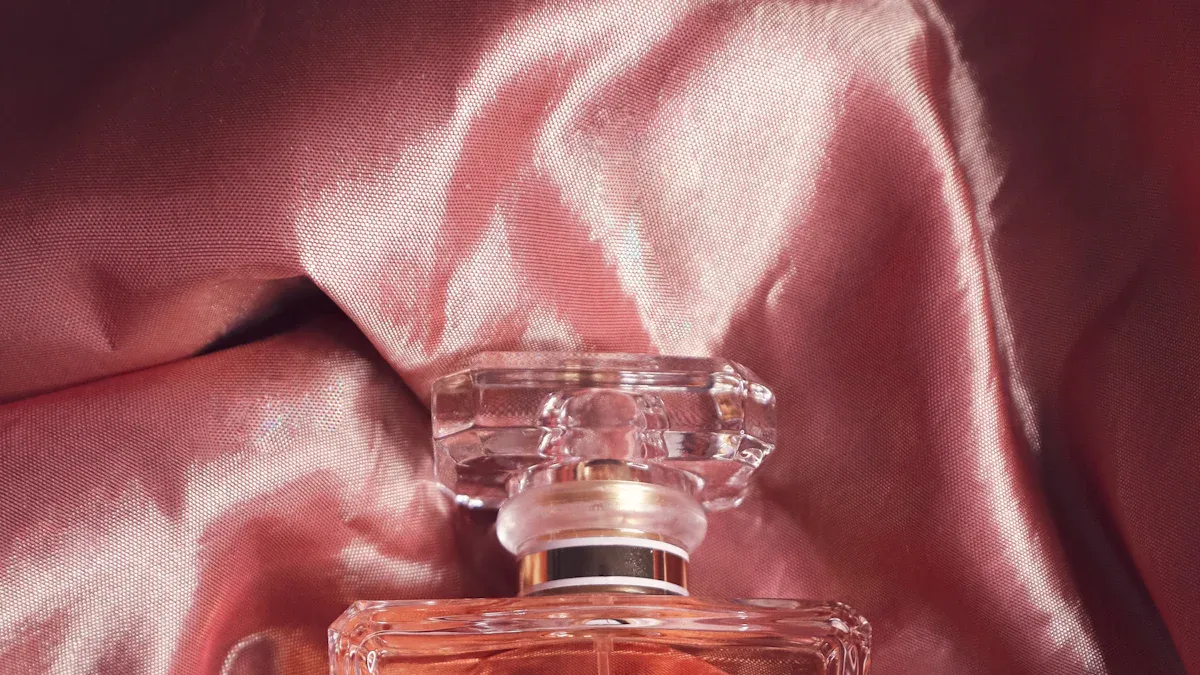
Designing a perfume glass bottle is not just about aesthetics; it’s about creating an experience. I believe that merging artistic design with practical functionality significantly influences brand perception. Recent studies show that around 75% of consumers' purchasing decisions hinge on packaging material. Glass bottles, in particular, excel at preserving fragrance while showcasing the product. With rising disposable incomes, brands must prioritize innovative designs that resonate with younger consumers. This shift towards aesthetics and usability is crucial for enhancing user experience and building trust in a brand.
Key Takeaways
- Design perfume bottles to balance artistic creativity with practical use for a better user experience.
- Use colors thoughtfully to evoke emotions and influence how customers perceive the fragrance.
- Choose durable and eco-friendly materials to improve bottle strength and support sustainability.
- Focus on ease of use by ensuring secure caps, leak prevention, and convenient bottle sizes.
- Embrace current trends like minimalism, personalization, and technology to connect with modern consumers.
Key Elements of Perfume Glass Bottle Design
Shapes and Silhouettes
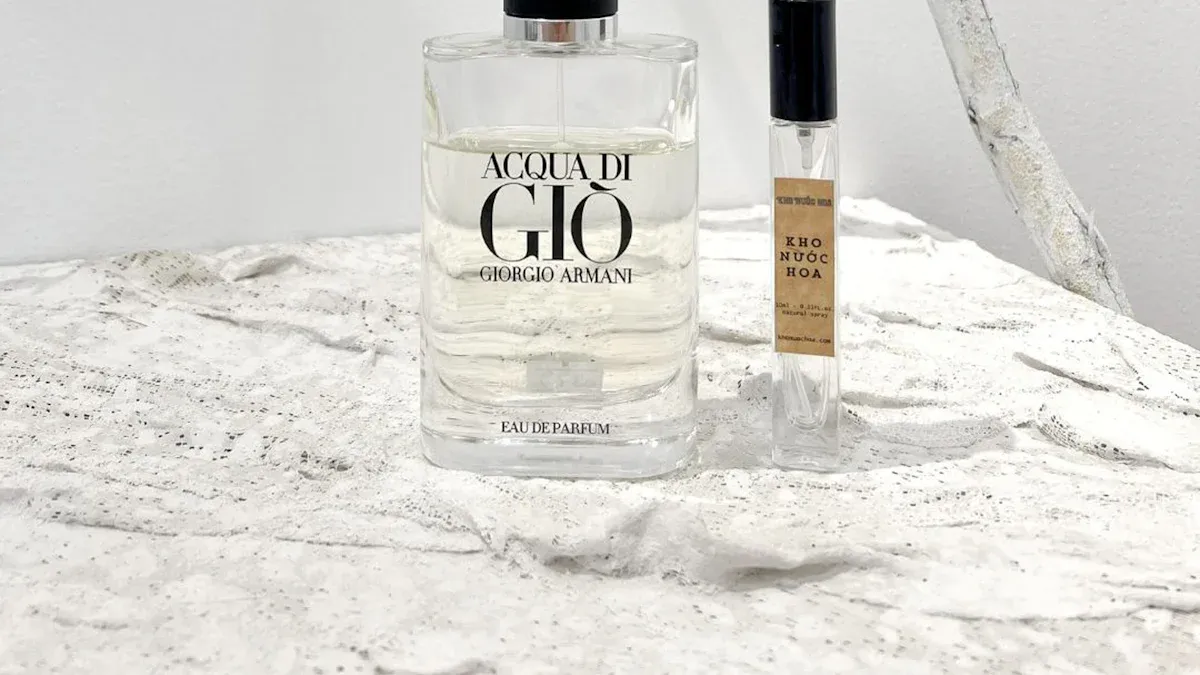
When I think about the shapes and silhouettes of perfume glass bottles, I see them as a canvas for creativity. Unique or unconventional shapes can reflect the essence of the fragrance inside. For instance, I’ve seen ocean-inspired bottles shaped like seashells or waves. These designs evoke emotions and create a deeper connection with the scent. However, I also recognize that the base design must ensure stability. A beautifully crafted bottle can easily tip over if it lacks a solid foundation. Designers must balance artistic expression with practical needs, such as sprayer compatibility and ease of use.
I find that innovative designs often transform bottles into collectible art pieces. While this can sometimes reduce usability, it enriches the overall fragrance experience. The tactile experience, including weight and texture, also plays a significant role in how we enjoy the perfume.
Color Psychology
Color plays a crucial role in how consumers perceive a perfume glass bottle. I’ve learned that different colors evoke specific emotions and associations. Here’s a quick overview of how various colors impact consumer perception:
- Gold: Conveys luxury and sophistication.
- Silver: Represents modernity and innovation.
- Black: Evokes mystery and elegance.
- White: Symbolizes purity and freshness.
- Pink: Associated with femininity and romance.
- Red: Suggests passion and excitement.
- Blue: Implies calmness and trust.
- Green: Connected to nature and tranquility.
- Purple: Denotes luxury and creativity.
These colors not only enhance the visual appeal of the perfume glass bottle but also influence purchasing decisions. For example, a bold red bottle might attract attention and convey intensity, while a sleek silver design could suggest a modern fragrance.
Innovative Materials
In my exploration of perfume glass bottle design, I’ve come across various innovative materials that enhance both aesthetics and functionality. Glass remains the primary choice due to its environmental friendliness and versatility. However, I’ve noticed a rise in the use of alternative materials for caps and other components. Here are some noteworthy options:
- Acrylic (PMMA): Offers transparency and chemical stability.
- Surlyn resin: Provides excellent impact resistance.
- Aluminum: Gaining popularity for its durability.
- Wood: Adds a natural aesthetic and can be customized.
- Zamac: A metal alloy that allows for intricate designs.
- Leather (usually PU leather): Enhances visual appeal while offering environmental protection.
These materials not only improve the durability and visual appeal of the perfume glass bottle but also align with sustainability goals. For instance, lightweight glass technology reduces material use, lowering production costs while maintaining strength.
The Role of Functionality in Perfume Glass Bottles
Ease of Use
When I think about ease of use in perfume glass bottles, I realize how crucial it is for enhancing the user experience. I’ve encountered many users who express frustration over common issues like leakage during transit or caps that detach too easily. These problems highlight the importance of secure closures and durable materials. I recommend using thicker, tempered glass and reinforced materials to prevent breakage.
In my experience, high-performance sealing gaskets, such as silicone or thermoplastic elastomer (TPE), can effectively prevent leakage and maintain the integrity of the fragrance. I’ve also found that limiting the height of the bottle to around 15 cm improves storage and travel convenience. A snug-fitting cap that retains its grip over multiple uses enhances everyday usability.
Here are some features that contribute to ease of use:
- Spray Bottles: They offer quick, even fragrance distribution with controlled dosage, making them convenient for daily use.
- Roll-On Bottles: These provide targeted application and reduce spillage, which is especially useful for travel.
- Compact Shapes: They cater to fast-paced lifestyles, enhancing portability without sacrificing style.
Durability and Longevity
Durability is another critical aspect of perfume glass bottle design. I’ve seen firsthand how breakage can lead to wasted product and disappointment. Common causes of malfunction include air blockage in the pump mechanism, misaligned nozzles, and excessive internal pressure. To combat these issues, I suggest using high-quality caps and shock-absorbent packaging during transport.
I’ve learned that certain design features can significantly enhance durability:
- Reinforced Glass: Thicker glass can withstand minor impacts better than standard options.
- Ergonomic Shapes: These not only look good but also feel comfortable in hand, reducing the risk of accidental drops.
- Preventive Measures: Tight sealing and high-quality materials can prevent leakage and evaporation, ensuring the fragrance remains intact.
User Experience Considerations
User experience is at the heart of any successful perfume glass bottle design. I’ve noticed that functionality features, such as airless pumps, help preserve the fragrance's integrity. An ergonomic design ensures that the bottle is easy to handle and use, which is essential for daily application.
Here are some aspects of user experience that I find particularly important:
- Visual Appeal: A well-designed bottle grabs attention on shelves, increasing the likelihood of purchase.
- Tactile Quality: The feel of the bottle can create an emotional connection with users, enhancing their overall experience.
- Brand Recognition: Thoughtful design fosters brand loyalty by creating a strong visual identity that resonates with consumers.
In my opinion, achieving a balance between aesthetic appeal and practical usability is vital for enhancing overall user satisfaction. Brands that prioritize these elements not only improve their product's desirability but also build lasting relationships with their customers.
Sustainability in Perfume Glass Bottle Design
Sustainability has become a vital consideration in perfume glass bottle design. I believe that as consumers become more eco-conscious, brands must adapt to meet these expectations. By using eco-friendly materials, we can significantly reduce our environmental impact while still delivering beautiful and functional products.
Eco-Friendly Materials
In my exploration of sustainable design, I’ve discovered that several eco-friendly materials are widely used in perfume glass bottle production. Here are some of the most notable options:
- Glass: This remains the top choice due to its natural sourcing, recyclability, and repurposing properties.
- PCR Glass: Using post-consumer recyclable glass reduces waste and the demand for virgin materials.
- FSC-Certified Paperboard: This outer packaging comes from sustainably managed forests, ensuring responsible sourcing.
- Organic Dyes and Inks: I prefer using soy ink and vegetable dyes for labeling to avoid chemical pollution.
- Refillable Bottles: These designs encourage reuse and significantly reduce waste.
- Minimalist Packaging: This approach reduces raw material use and environmental impact.
I find that these materials not only enhance the aesthetic appeal of the perfume glass bottle but also align with a growing consumer demand for sustainability.
Reusability and Recyclability
I’ve noticed a shift towards designs that promote reusability and recyclability. Many brands now create bottles with removable nozzles, allowing users to refill them with homemade fragrances or other liquids. This feature encourages sustainable habits and reduces waste. Here are some key initiatives I’ve seen:
- Mono-Material Packaging: Brands are adopting recyclable materials like aluminum and PET to simplify recycling processes.
- Artistic Designs: Some bottles are crafted to be kept and reused, often paired with refillable formats.
- Minimalist Designs: Clear glass and simple shapes encourage reuse and align with environmental transparency.
- Refillable Solid Perfumes: These offer sustainable alternatives that appeal to eco-conscious consumers.
I believe that by focusing on these aspects, brands can foster a culture of sustainability among their customers.
Ethical Production Practices
Ethical production practices play a crucial role in the sustainability of perfume glass bottles. I’ve seen leading manufacturers adopt several initiatives to ensure their processes are responsible and transparent. Here are some practices that stand out:
- Ethical Sourcing: Brands partner with suppliers who practice fair trade, supporting biodiversity and local economies.
- Artisanal Glass: Many companies source high-quality glass from artisans who share their ethical values.
- Localized Production: Efforts to localize packaging production help reduce carbon footprints.
- Natural Ingredients: Formulations free from harmful additives are becoming the norm.
- Sustainability Integration: Companies are focusing on sustainability at every stage of the perfume lifecycle.
I find that these practices not only enhance brand reputation but also resonate with consumers who prioritize ethical considerations in their purchasing decisions.
Current Design Trends in Perfume Glass Bottles

Minimalism vs. Ornate Designs
In recent years, I’ve noticed a fascinating shift in perfume glass bottle design trends. Minimalism has gained significant traction, characterized by clean lines and monochromatic color schemes. This approach appeals to consumers who value simplicity and elegance. I find that minimalist designs often use recyclable materials, aligning with the growing demand for sustainability. For instance, brands like Calvin Klein and Maison Margiela have embraced this trend with their sleek, understated bottles.
On the other hand, ornate designs continue to captivate luxury consumers. These bottles feature intricate details, luxurious materials, and unique shapes. Brands like Guerlain and Clive Christian create stunning pieces that serve as collectible art. The contrast between minimalist and extravagant designs reflects diverse consumer preferences.
| Aspect | Minimalist Perfume Bottle | Ornate Perfume Bottle |
|---|---|---|
| Design | Simple, clean lines, understated | Elaborate, intricate details, luxurious materials |
| Material | Glass or plastic with minimal decoration | Crystal, gold, silver, precious stones |
| Shape | Geometric, sleek, modern | Curves, ornate, unique designs |
| Branding | Focus on brand name/logo, discreet labeling | Prominent branding integrated into design |
| Cost | Generally more affordable | Higher cost due to premium materials and craftsmanship |
| Audience Appeal | Appeals to simplicity, elegance, sustainability | Appeals to luxury, exclusivity, sensory experience |
| Packaging | Minimal, eco-friendly options | Elaborate, decorative boxes |
| Perceived Value | Simplicity and functionality | Luxury, exclusivity, craftsmanship |
| Trend Influence | Aligns with minimalist lifestyle and sustainability trends | Influenced by luxury and fashion trends |
Customization and Personalization
I believe that customization and personalization have become essential in perfume glass bottle design. Consumers today seek unique experiences that reflect their individual tastes. Brands are responding by offering options like engraved initials or bespoke scent combinations. This personal touch fosters emotional connections and enhances brand loyalty.
The unboxing experience also plays a crucial role. Customized packaging creates memorable moments that consumers love to share on social media. I’ve seen how brands leverage this trend to amplify engagement. Smart packaging technologies, such as NFC tags and QR codes, link physical bottles to digital content. This integration allows consumers to explore scent origin stories or receive personalized recommendations, bridging the gap between online and offline interactions.
Technology Integration
Technology is revolutionizing the way we interact with perfume glass bottles. I’ve encountered smart packaging technologies that enhance user experience significantly. For example, NFC chips and QR codes provide additional product information and unlock augmented reality experiences. These innovations create immersive brand experiences that resonate with consumers.
Moreover, I’ve seen advancements like mist spray caps that ensure fine mist distribution, improving application. LED lights incorporated into bottles create visually appealing displays, while touch-sensitive surfaces respond to user interaction. 3D printing technology allows for intricate detailing and customization, enhancing both aesthetics and functionality.
As I look to the future, I see these technological integrations becoming standard in luxury fragrance marketing. They blend art and function, meeting evolving consumer expectations while enhancing the overall experience.
Achieving a harmonious balance between aesthetics and functionality in perfume glass bottle design is crucial. I encourage designers to embrace both elements in their creative processes. When brands prioritize this balance, they enhance user experience and foster brand loyalty. Innovative designs not only attract consumers but also create emotional connections. As I’ve seen, pleasant scents and appealing designs lead to greater brand recognition and loyalty. Ultimately, a well-designed perfume glass bottle can transform a simple product into a cherished experience.
0users like this.