Blog
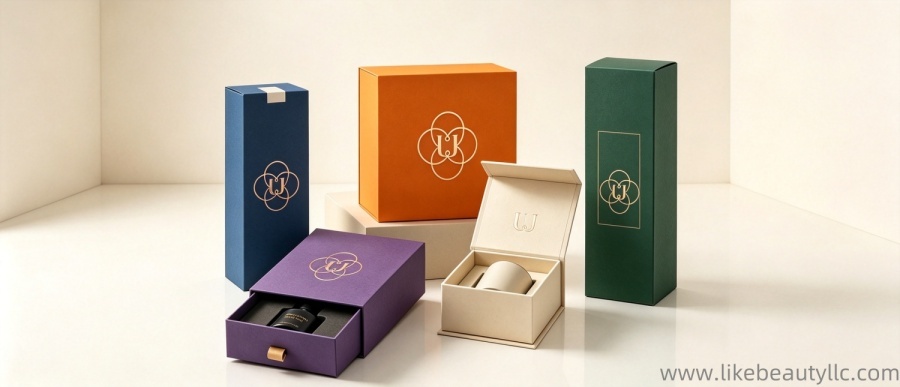
Custom Rigid Box Manufacturer: How to Choose the Right Packaging Partner | YOULIKE PACKAGING
Choosing a custom rigid box manufacturer is not simply a matter of comparing quotations. For a luxury brand, the packaging supplier has a direct influence on product presentation, production consistency, delivery schedules, and the overall customer experience. A rigid box may look simple in a product photograph, but producing one to a consistent standard involves several decisions. The board thickness, wrapping paper, corner construction, surface finishing, insert design, and opening structure all affect the finished product. When a project moves from a sample to thousands of units, even small differences in these details can become noticeable. This is particularly important for perfume, skincare, cosmetics, jewelry, and premium gift products. Their packaging must not only look attractive but also fit the product accurately, protect it during transportation, and reflect the brand's positioning. For purchasing managers and brand owners, the challenge is finding a manufacturer that understands both the design requirements and the practical realities of production. At YOULIKE PACKAGING, we work with fragrance and beauty brands on customized packaging projects, including luxury packaging boxes, perfume bottles, caps, and OEM/ODM solutions. In this guide, we explain what to look for in a custom rigid box manufacturer, which questions to ask before placing an order, and how to avoid common problems during packaging development.
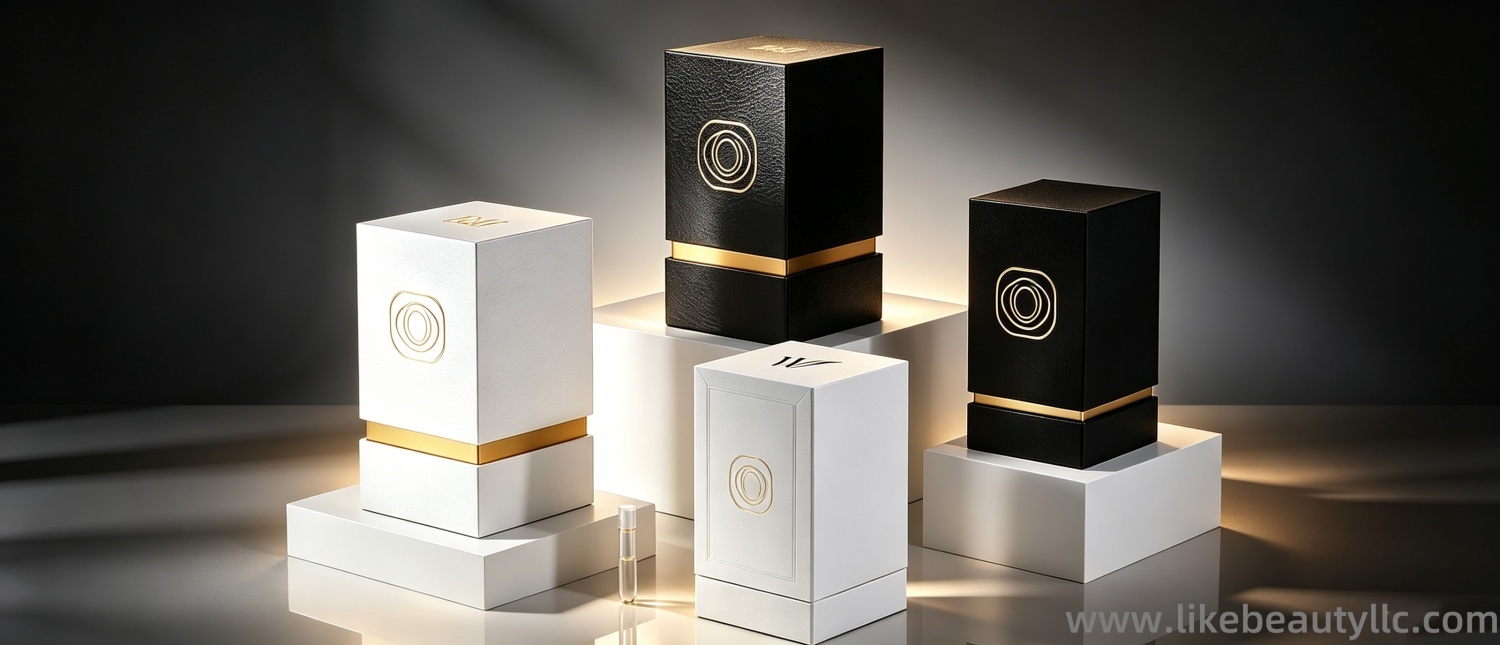
Table of Contents
- 1. Why Your Choice of Rigid Box Manufacturer Matters
- 2. Understanding Custom Rigid Box Packaging
- 3. 7 Things to Check Before Choosing a Manufacturer
- 4. Materials and Finishes: Look Beyond Appearance
- 5. Custom Design and Structural Development
- 6. Why Sampling and Approval Matter
- 7. Quality Control During Mass Production
- 8. Understanding Packaging Costs and Lead Times
- 9. Sustainable Options for Luxury Rigid Boxes
- 10. The Value of a One-Stop Packaging Partner
- 11. Frequently Asked Questions
- 12. Conclusion
1.Why Your Choice of Rigid Box Manufacturer Matters
A rigid box is often one of the first physical elements a customer notices when receiving a premium product. Its size, weight, surface texture, and opening mechanism all contribute to the impression of the brand. However, the importance of a packaging manufacturer goes beyond the appearance of a finished box. For a growing fragrance or beauty brand, a packaging project may involve several product sizes, multiple color variations, different inserts, and repeat orders. A manufacturer needs to understand these requirements and translate them into production specifications that can be followed consistently. Consider a perfume gift set containing a glass bottle, a perfume cap, and a small accessory. The box must accommodate every component without unnecessary movement. The insert must hold the bottle securely, while the exterior needs to maintain a consistent appearance with the brand's other packaging. If these details are not addressed during development, the result may be an attractive sample that is difficult to reproduce at scale. A suitable manufacturing partner helps brands address three practical priorities: Product fit: The box and insert are designed around the actual product dimensions and weight. Production consistency: Approved materials, colors, structures, and finishing requirements are documented before mass production. Project coordination: Sampling, revisions, production, inspection, and shipping are planned as connected stages. The right manufacturer is therefore not just a supplier of boxes. It is a production partner that can turn a packaging concept into a repeatable, commercially workable product.2. Understanding Custom Rigid Box Packaging
Custom rigid box packaging is generally made from thick paperboard, commonly referred to as greyboard or chipboard, wrapped with printed, coated, textured, or specialty paper. Unlike a conventional folding carton, a rigid box maintains its shape and is normally delivered in a pre-assembled form. This construction makes it suitable for products that require a more substantial presentation. The final design can be adapted to the dimensions, weight, protection requirements, and presentation style of the product.Common Rigid Box Structures
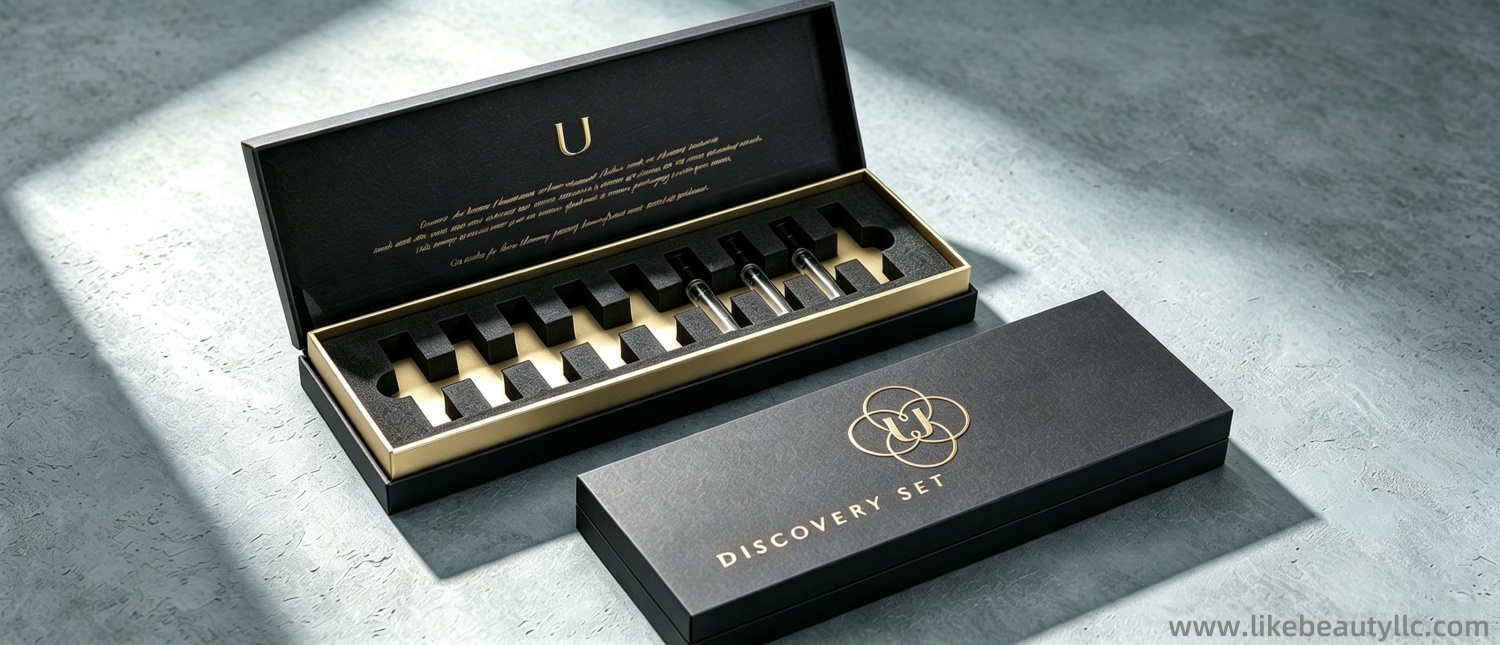
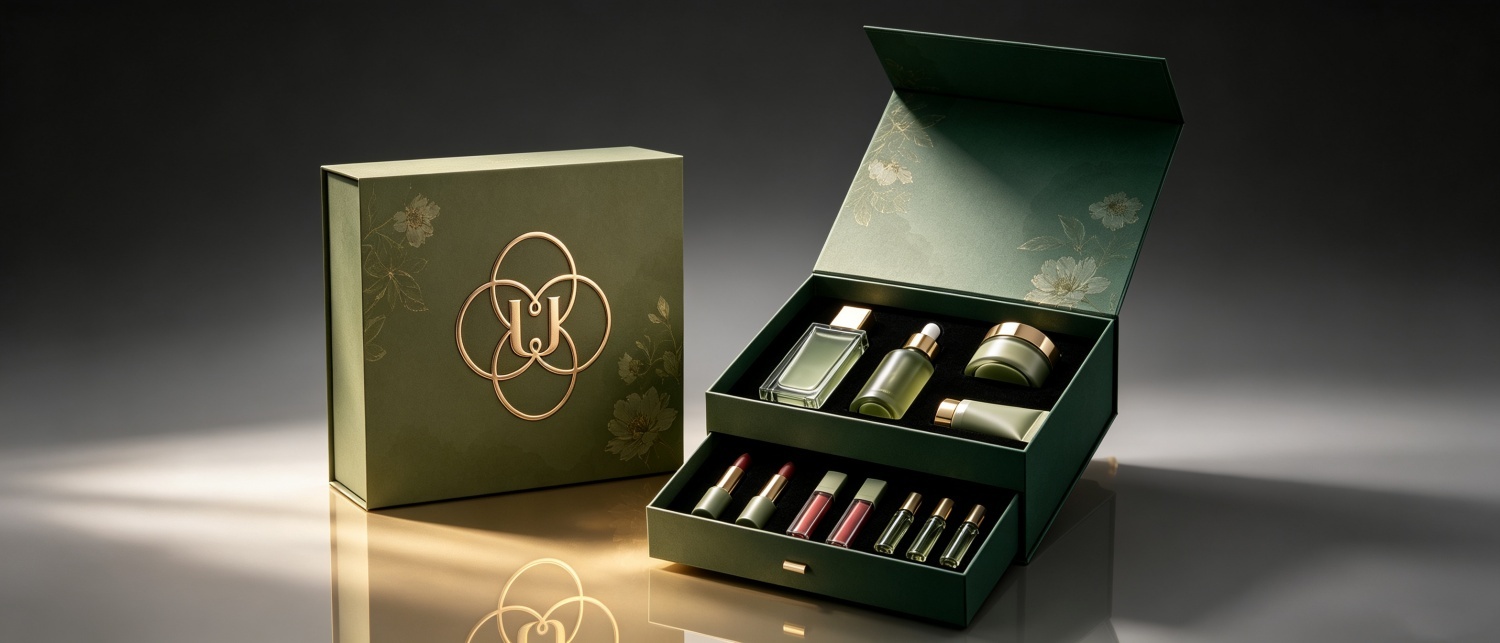
Two-Piece Rigid Boxes A separate lid and base create a classic presentation. This structure is often used for perfume, jewelry, cosmetics, and premium gift packaging. The depth of the lid and the fit between the two components need to be considered during development. Magnetic Closure Boxes A hinged lid with a magnetic closure offers a convenient opening and closing experience. This style is often selected for fragrance gift sets, promotional kits, and premium product collections. Drawer-Style Rigid Boxes A sliding inner tray provides a different way to reveal the product. Ribbon pulls or finger notches can be incorporated depending on the design and the weight of the contents. Book-Style Rigid Boxes These boxes open like a book and can provide space for product information, brand storytelling, or multiple product components on the inside. Collapsible Rigid Boxes Collapsible designs can reduce the volume required for transportation and storage. They may be suitable for certain gift sets and projects where shipping efficiency is a key consideration. The choice of structure should be based on how the product will be packed, shipped, displayed, and opened rather than appearance alone.
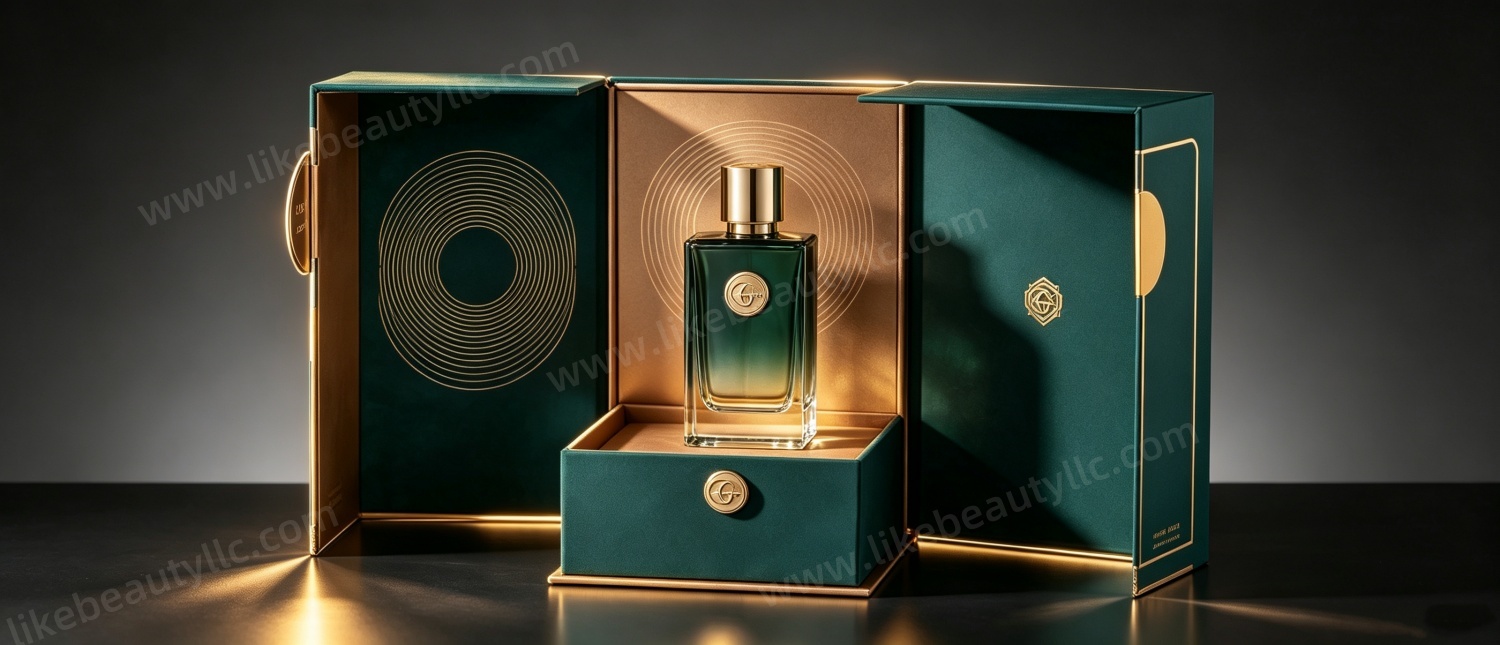
3.7 Things to Check Before Choosing a Manufacturer
A quotation tells you the proposed price and some basic specifications. It does not necessarily show how well a supplier will manage your project. Before choosing a custom rigid box manufacturer, it is useful to examine the following areas.1. Relevant Manufacturing Experience
Ask whether the manufacturer has handled packaging with similar structures, materials, finishing processes, and product requirements. A supplier experienced in standard paper cartons may not necessarily have the same experience in wrapped rigid boxes, magnetic closures, or multi-component gift sets. Request photographs, physical samples, or examples of comparable projects. Pay attention to details such as corners, wrapped edges, lid alignment, and interior finishing.2. Structural Design Capability
A good manufacturer should be able to discuss more than the box's length, width, and height. Ask how the structure will accommodate your product, whether an insert is required, and how the box will be assembled. For fragile products such as glass perfume bottles, the manufacturer should understand the importance of clearance, support, and movement prevention.3. Material Selection
Check whether the supplier can provide suitable options for board thickness, wrapping paper, inserts, and protective finishes. Rather than selecting materials from photographs alone, request physical material samples where possible. Different papers can look similar on a screen but have noticeably different textures, stiffness, and printing characteristics.4. Printing and Finishing Options
Luxury packaging often combines several processes, including offset printing, foil stamping, embossing, debossing, and lamination. Ask which processes are available for your design and whether they can be combined on the selected paper. It is also worth confirming how the supplier will control logo placement, color consistency, and finishing alignment.5. Sampling and Revision Process
Before mass production, the manufacturer should provide a clear sampling process. Confirm what is included in the sample, whether it uses the intended production materials, how many revisions are available, and how final approval will be recorded. A sample that looks correct but uses different materials or a different construction method may not accurately represent the final production result.6. Quality Control Procedures
Ask how the manufacturer checks raw materials, printed components, box dimensions, assembly, and finished packaging. It is also useful to clarify the inspection criteria before production begins. Terms such as acceptable color variation, visible surface defects, structural alignment, and insert fit should be agreed upon where relevant.7. Communication and Delivery Coordination
Packaging production involves artwork, technical drawings, samples, approvals, material preparation, manufacturing, inspection, and shipment. Ask who will coordinate each stage, how production updates will be provided, and what information is needed from your team to keep the project moving. A clearly defined communication process can prevent avoidable delays, particularly when a launch involves several packaging components.4.Materials and Finishes: Look Beyond Appearance
Materials affect the appearance, tactile experience, structural performance, and cost of a rigid box. A professional rigid box manufacturer should help you evaluate these factors together.Choosing the Right Board
The thickness of the rigid board should be selected according to the box dimensions, product weight, structure, and required stiffness. A small perfume box may have different structural requirements from a large multi-product gift set. Using a thicker board is not automatically the right solution, as excessive material can increase weight and cost without improving the overall design in a meaningful way.Selecting Wrapping Paper
Common choices include coated art paper, specialty textured paper, dyed paper, and other decorative wrapping materials. Coated paper can provide a smooth surface for printed graphics, while textured papers can introduce a distinctive tactile element. The paper should also be suitable for the selected finishing processes and the box's folding and wrapping requirements.Matching Finishes to the Design
Different finishing techniques create different visual and tactile effects: Hot foil stamping: Adds metallic or colored foil details to logos, typography, and decorative elements. Embossing: Raises selected design elements above the paper surface. Debossing: Presses selected details into the material. Matte lamination: Creates a low-gloss surface and can help protect the printed exterior. Soft-touch lamination: Adds a smooth, velvety feel. Spot UV: Creates a localized glossy effect that contrasts with the surrounding surface. For example, a simple rigid box with a textured paper exterior and a carefully positioned foil-stamped logo may achieve the intended visual result without requiring several decorative processes. The best combination depends on the brand's artwork, target price, production volume, and desired customer experience.
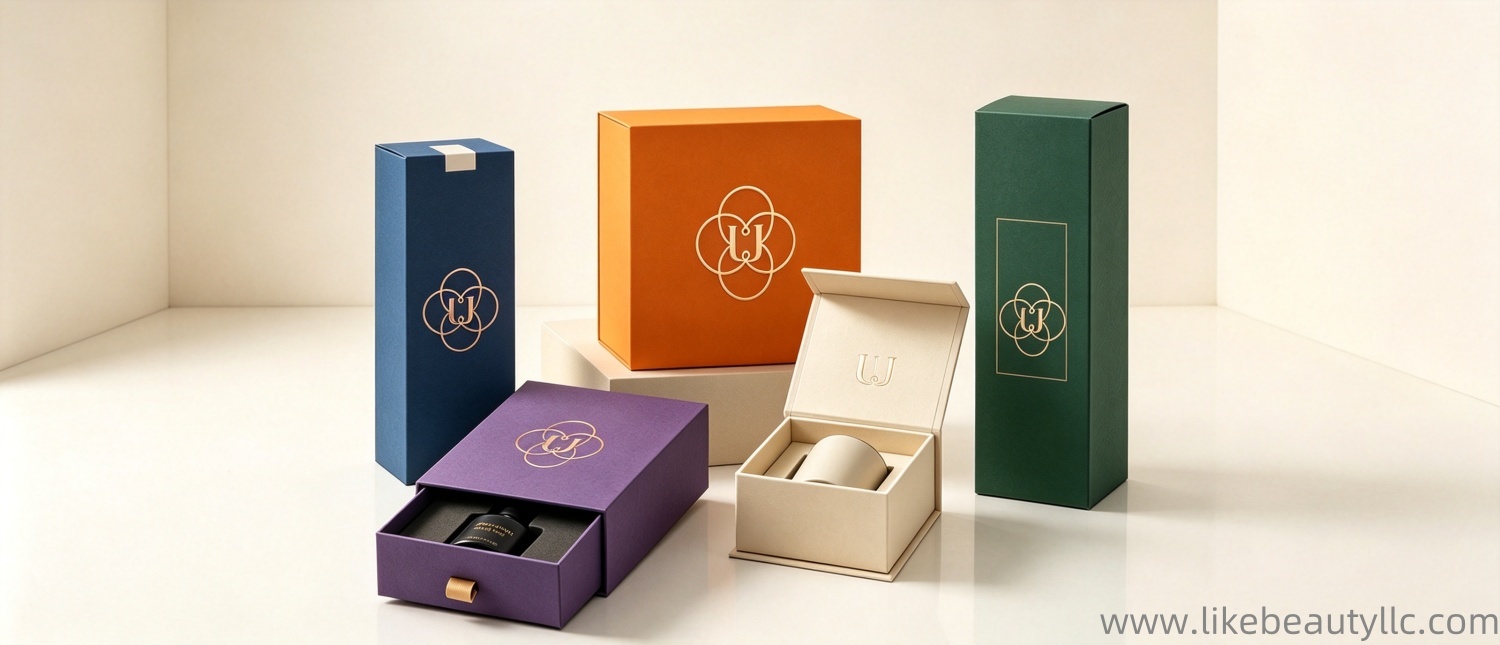
5. Custom Design and Structural Development
A custom rigid box should be developed around the product and the brand, not adapted from a generic structure without considering its use. For perfume and beauty packaging, this process often starts with the product itself.Start With Actual Product Dimensions
Provide the manufacturer with accurate measurements of the product, including its height, width, depth, weight, and any components that need to be packed together. If the product has a curved shape, protruding cap, pump, or delicate decoration, a physical product sample can help the manufacturer assess the fit more accurately.Plan the Interior Insert
An insert should hold the product in the intended position while supporting an attractive presentation. Depending on the product and project requirements, possible options include paperboard inserts, molded pulp, foam, or other suitable materials. For a perfume bottle, the insert design should consider the bottle's shape, the position of the cap, the amount of clearance, and how the product will be removed from the box.Consider the Complete Unboxing Process
Think about what the customer sees and does when opening the packaging. Does the lid open easily? Is the product immediately visible? Can the product be removed without difficulty? Is there sufficient room for a product card, leaflet, or additional gift item? These practical details should be discussed before the structure is finalized.Keep the Design Suitable for Production
Complex structures and multiple finishing processes can increase tooling, setup, assembly, and inspection requirements. A useful design review considers both the intended visual effect and how reliably the packaging can be manufactured in the required quantity. For brands developing fragrance packaging alongside the bottle and cap, coordinated design can also help maintain consistency across the entire product. Explore our custom perfume packaging solutions for more information about YOULIKE PACKAGING's fragrance packaging capabilities.6. Why Sampling and Approval Matter
Sampling is one of the most important stages of a custom rigid box project because it allows the brand and manufacturer to identify issues before mass production. A digital drawing can confirm basic dimensions and artwork placement, but it cannot fully demonstrate the tactile feel of a paper, the operation of a magnetic closure, or the fit of a real product inside an insert. A typical development process may include the following stages. Step 1: Confirm the Brief Share the product specifications, packaging dimensions, quantity, artwork, target materials, preferred structure, finishing requirements, and delivery expectations. Step 2: Review the Structural Design The manufacturer prepares a structural proposal or technical drawing for review. Check the dimensions, opening direction, insert layout, and assembly details. Step 3: Produce a Physical Sample Review the sample for size, fit, material appearance, print quality, surface finishing, closure performance, and ease of use. Step 4: Provide Consolidated Feedback Collect feedback from relevant team members and provide a single, clearly documented revision list. This helps reduce confusion and unnecessary sample rounds. Step 5: Approve the Final Specification Before production, confirm the approved artwork, materials, dimensions, structure, finishing, insert, and packaging requirements in writing. For brands with multiple product variations, it is important to establish whether each variation requires a separate sample or whether a common structure can be used. A properly approved sample and documented specification provide a reference for evaluating the finished production batch.7. Quality Control During Mass Production
A packaging sample represents a particular stage of development. Mass production introduces additional variables, including material batches, printing runs, assembly operations, and handling. For this reason, quality control should be considered throughout production rather than only at final inspection.Incoming Material Inspection
Materials should be checked against the approved specifications. This can include board thickness, paper type, color, surface condition, and other project-specific requirements.Printing and Finishing Checks
Printed components should be reviewed for artwork accuracy, color consistency, registration, and visible defects. Foil stamping, embossing, lamination, and other finishing processes should be checked against the approved sample and specification.Assembly and Structural Checks
Inspect the box dimensions, corner construction, wrapping, lid alignment, closure function, and insert positioning. These checks are particularly relevant for packaging containing glass bottles or several individual components.Final Inspection and Packing
Finished boxes should be inspected according to agreed quality criteria before being packed for shipment. The packing method should also be suitable for the box structure and the expected transportation conditions. For repeat orders, retaining approved samples and production specifications can make it easier to identify differences between batches and manage changes.
8. Understanding Packaging Costs and Lead Times
When comparing quotations from different custom rigid box manufacturers, make sure the specifications are comparable. Two quotations may show different prices because they include different materials, finishing processes, inserts, sampling services, or packing methods. The main cost factors generally include: Box dimensions and board thickness Wrapping paper and other materials Printing coverage and color requirements Foil stamping, embossing, and additional finishes Insert material and construction Order quantity Sampling, tooling, and setup requirements Assembly, packing, and shipping arrangementsWhy Order Quantity Matters
Rigid box production involves setup and preparation work. When these costs are distributed across a larger quantity, the unit price may decrease. However, larger orders also require more working capital and storage space. The right order quantity depends on sales forecasts, launch schedules, inventory capacity, and the expected frequency of repeat orders.Plan Lead Time Around Project Milestones
Instead of asking only for a total production lead time, request a schedule that identifies the major stages: Artwork and specification confirmation Structural development Sampling and revisions Sample approval Material preparation Mass production Final inspection Packing and shipment The total project timeline also depends on how quickly the brand provides feedback and approves samples. For products with custom structures or multiple finishing processes, sufficient time should be allocated for development and revisions. A clear schedule helps purchasing teams coordinate packaging delivery with filling, assembly, marketing, and product launch plans.9. Sustainable Options for Luxury Rigid Boxes
Sustainability is increasingly part of packaging development, but material choices should be evaluated according to the complete packaging design. For rigid boxes, potential options include paper-based materials, recycled board, recyclable paper wraps, reduced plastic components, and reusable box structures. The suitability of these materials depends on the required appearance, durability, product protection, local recycling infrastructure, and applicable environmental claims. For example, a box with several different laminated or bonded materials may be more difficult to separate for recycling than a design using compatible paper-based components. Brands should therefore discuss sustainability requirements with the manufacturer at the beginning of the project. This allows the team to consider material sourcing, structural design, decoration, and end-of-life handling together. Where certification or environmental claims are important, request supporting documentation for the specific material or process rather than relying on general descriptions such as eco-friendly or recyclable. A well-developed sustainable packaging solution should meet the product's functional needs while avoiding unnecessary material and complexity.10. The Value of a One-Stop Packaging Partner
Some fragrance and beauty projects involve several separate packaging components. A perfume bottle, cap, sprayer, collar, and rigid gift box may each require different specifications and production processes. When these components are sourced from unrelated suppliers, the brand may need to coordinate multiple technical discussions, sampling schedules, quality standards, and delivery dates. A one-stop packaging partner can help coordinate these requirements through a more connected development process. For example, when a fragrance brand develops a new gift set, the bottle dimensions and cap design can be considered alongside the box structure and insert. This can help identify potential fit or presentation issues before production. YOULIKE PACKAGING provides perfume bottles, caps, perfume packaging boxes, and OEM/ODM fragrance packaging services. Our work covers custom design, product development, surface decoration, and packaging coordination according to project requirements. For a closer look at this approach, read our article on turn-key perfume packaging manufacturing. A coordinated supplier arrangement does not remove the need for clear specifications or inspection. It can, however, make communication more direct when several packaging components need to work together.
11. Frequently Asked Questions
What should I look for in a custom rigid box manufacturer?
Look at relevant manufacturing experience, structural design support, material options, finishing capabilities, sampling procedures, quality control, communication, and delivery coordination. Request comparable samples and confirm that the manufacturer understands your product requirements.What is the difference between a rigid box and a folding carton?
A rigid box is generally made from thick paperboard wrapped with decorative paper and delivered in a pre-assembled form. A folding carton is made from thinner paperboard, cut and creased to fold into shape. Rigid boxes are commonly selected for premium presentation, while folding cartons can be suitable for lighter packaging and space-efficient transportation.Can a rigid box manufacturer customize the size and structure?
Yes. Custom rigid boxes can be developed in different dimensions and structures, including two-piece, magnetic closure, drawer-style, book-style, and some collapsible designs. The final choice depends on the product, presentation requirements, and manufacturing feasibility.Can custom rigid boxes be used for perfume packaging?
Yes. Rigid boxes are used for perfume bottles, fragrance gift sets, and other premium beauty products. A properly designed insert helps position and support the bottle, while the outer box provides presentation and additional protection.How can I ensure the mass-produced boxes match the approved sample?
Confirm the final materials, dimensions, artwork, finishing processes, and quality criteria in a written specification. Keep an approved reference sample and agree on inspection procedures before production begins.What information is needed to request a rigid box quotation?
Prepare the product dimensions, preferred box structure, estimated order quantity, artwork or design concept, material preferences, finishing requirements, insert requirements, destination country, and target delivery date. Providing these details helps the manufacturer prepare a more accurate quotation.Does YOULIKE PACKAGING provide custom rigid box and perfume packaging solutions?
YOULIKE PACKAGING provides luxury perfume packaging boxes, custom perfume bottles, caps, and OEM/ODM packaging services. Contact our team with your product requirements to discuss the suitable packaging structure, materials, customization options, and project scope.12. Conclusion
Choosing a custom rigid box manufacturer requires more than finding a supplier that can produce a box at a competitive price. The manufacturer needs to understand the product, develop a workable structure, recommend appropriate materials, provide reliable samples, and maintain consistent production standards. For luxury brands, the details matter. A well-fitted insert, cleanly wrapped corners, accurate logo placement, and a properly functioning closure can make a meaningful difference to the finished packaging. Before placing an order, compare suppliers using the same technical specifications, review physical samples, clarify quality requirements, and establish a realistic project schedule. For fragrance and beauty brands that need coordinated packaging components, working with a supplier that understands the complete product can also simplify development and communication. YOULIKE PACKAGING supports custom fragrance and beauty packaging projects with product customization, packaging development, and OEM/ODM services. Our team works with brands to turn packaging requirements into practical production solutions. Discuss Your Custom Rigid Box Project With YOULIKE PACKAGING Looking for a custom rigid box manufacturer for your next perfume, cosmetic, or luxury gift packaging project? Share your product dimensions, preferred box structure, estimated quantity, and design requirements with our team. We can discuss material options, customization possibilities, sampling, and production arrangements based on your project. YOULIKE PACKAGING Custom Perfume Packaging | Luxury Packaging Boxes | OEM & ODM Solutions Contact YOULIKE PACKAGING for a Custom Packaging Inquiry.
0users like this.