Blog
China Zamac Cap Guide: What U.S. Buyers Need to Know
If you are sourcing custom bottle caps for perfume packaging, spirits packaging, or cosmetics, a China Zamac cap can give your product a heavy, premium feel that plastic rarely matches. The problem? Many U.S. buyers run into inconsistent plating, vague pricing, and supplier claims that do not hold up. This guide fixes that. You will learn what Zamac caps are, how to evaluate suppliers, which quality checks to request, what drives pricing, and how to avoid common mistakes. By the end, you can source with a clear checklist instead of guesswork.
Key Takeaways:
- Zamac is a zinc alloy used in zinc die casting that creates detailed, heavy, durable custom bottle caps.
- Ask suppliers whether die casting and electroplating happen in-house or are outsourced.
- Request plating adhesion and corrosion test reports before approving mass production.
- Budget for raw material cost, finish complexity, and a one-time mold or tooling fee.
- Always send a written spec sheet with exact dimensions, finish codes, and tolerances.
What a China Zamac Cap Is (and Why Brands Use It)
A China Zamac cap is a metal closure made from Zamac alloy, a zinc-based material that is cast into shape. Think of it as the step up from plastic: heavier in the hand, sharper in detail, and stronger over time. Brands choose it when the cap is part of the product experience.
The Material Behind the Cap
Zamac is short for a family of zinc alloys that mainly contain zinc, aluminum, magnesium, and copper. The exact mix depends on the part design, but the result is the same: a material that flows well in zinc die casting. That means factories can create fine logos, knurled edges, and intricate shapes with repeatable detail. The weight also feels solid, which supports a premium impression. Because zinc has a lower melting point than many metals, it is efficient to cast. That lower melting point also means less thermal stress on molds over long runs, so reorders can hold up well. The tradeoff is that Zamac is dense, so you need to balance the cap weight against the bottle neck it sits on. The real value is the combination of detail, weight, and durability.
Common Uses in U.S. Packaging
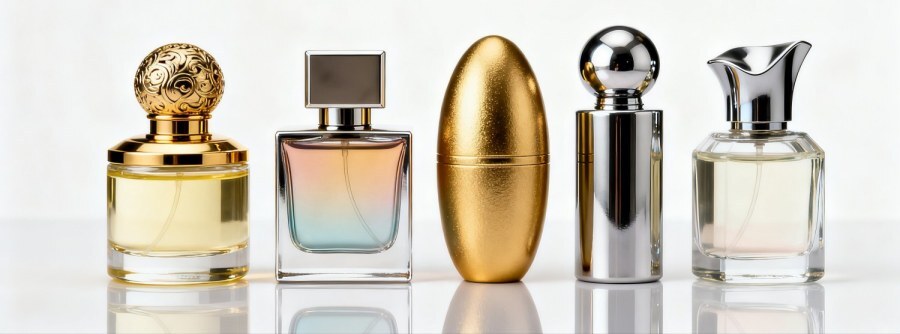
You will see Zamac caps most often in perfume packaging, spirits packaging, and high-end cosmetics. Fragrance brands use them to make bottles feel heavier and more expensive. For example, a 100 ml fragrance bottle with a plastic cap can feel top-light, but a solid Zamac cap changes the hand feel from the first touch. Distilleries use them on limited-edition spirits or gift sets. Cosmetic lines use them on serums, oils, or premium creams where the closure is part of the unboxing moment. China is a major production hub for these custom metal closures, so U.S. buyers often source there for lower cost and more flexible OEM/ODM options.
Popular Finishes and Styles You Can Source
Before you ask for a quote, define the look you want. The finish often changes the perceived value more than the cap shape itself, so choose it early and write it into your spec.
Plating Options
Most Zamac caps are electroplated to create the final color and surface feel. Common options include gold, chrome, brushed nickel, matte black, and antique brass. Each plating choice affects both appearance and corrosion resistance. A shiny chrome finish looks clean and modern. A brushed or matte finish hides fingerprints and feels softer. Multi-step electroplating, such as a base layer of nickel or copper under gold, can improve durability, but it also raises cost. Ask your supplier which plating layers they use and whether the finish is cosmetic only or tested for wear.
One common mistake is using the word "gold" without a reference. Gold can mean bright jewelry gold, champagne gold, or pale gold, and each supplier may interpret it differently. Always attach a physical color chip or a Pantone-style reference instead of relying on a two-word description.
Custom Shapes and Branding
You can source standard shapes like smooth cylinders or faceted caps, or pay for a custom mold to match a unique bottle design. Custom branding usually means logo engraving, embossing, or a debossed pattern on the top or side of the cap. Some buyers also add a colored enamel fill inside the logo for contrast. If you choose a custom shape, you will likely pay a one-time tooling or mold fee. If you choose a standard shape with custom engraving, the upfront cost is usually lower. Either way, request a digital mockup and a physical sample before committing. A practical example: if your bottle neck uses a nonstandard thread, even a standard cap shape may need custom inner threading. Tell the supplier the bottleneck finish, not just the outside diameter.
How to Evaluate a China Zamac Cap Supplier
Supplier verification is the step that prevents most sourcing disasters. Do not skip it just because a quote is low or a photo looks good. A reliable supplier should be able to explain how the cap is made, not just show you a catalog.
Factory vs Trading Company
A factory owns the production equipment, often including zinc die casting machines and plating lines. A trading company acts as a middleman: it sources from one or more factories and handles export paperwork. Both can be legitimate. Factories may give you more direct control over quality and price. Trading companies may give you more product variety and easier communication. The key is to know which one you are talking to. Ask directly. If a trading company claims to have its own factory, ask for the factory name and address, then verify it.
This matters in practice because an outsourced plating step adds handoff risk. If something goes wrong, the factory and plating shop can each blame the other, which slows your resolution. When you hear "our partner factory," ask for the name and a video tour before you commit.
Questions to Ask Before Sampling
Before you pay for a sample, ask these questions. How long have you exported to the U.S.? Can you share two or three recent U.S. client references? Is zinc die casting done in-house? Is electroplating done in-house or outsourced? What is your sample turnaround time? What quality certifications do you hold? Check business licenses and export history where possible. If plating is outsourced, ask who does it and how they control defects. If you plan to sell in humid climates or bathrooms, ask how they test corrosion under humidity, not just how the sample looks on a desk. A supplier that answers clearly is easier to work with than one that dodges. A common mistake is treating silence as expertise. If a supplier will not answer basic questions before sampling, they will not communicate better after you pay. Write the answers down and compare them across at least three suppliers.
Quality Checks That Catch Defects Early
Your quality inspection plan should focus on the two areas that cause the most issues: plating and dimensions. Catch these early, before mass production locks in a problem.
Plating Adhesion and Corrosion Tests
Plating failure is the most common complaint with Zamac caps. The metal may look great in a photo but peel, bubble, or corrode after a few months. To reduce that risk, ask for plating adhesion and corrosion test reports. Two standard checks are the cross-cut test and the salt spray test. The cross-cut test scores how well the plating sticks to the zinc underneath. In simple terms, the lab cuts a grid through the plating, applies tape, and pulls it away. A low score means the plating stayed attached. Ask for the test method and the pass/fail line, not just a certificate. The salt spray test exposes samples to a corrosive mist for a set number of hours and checks for rust or blistering. Ask your supplier which test methods they use and what pass level they accept. Do not approve production without seeing the results.
Imagine a matte black cap that passes a visual check but starts to show white corrosion after one humid summer. The cause is usually poor surface preparation before electroplating, not just the topcoat. That is why test reports matter more than sample photos.
Dimensional and Visual Checks
A beautiful cap is useless if it does not screw onto your bottle. Provide exact thread specifications and ask the supplier to confirm fit with a thread gauge or a bottle sample. Check weight tolerance, because a cap that is too light can feel cheap. Check for sharp edges, especially on engraved logos or knurled patterns. Look for pitting, uneven plating, or visible parting lines. Check random pieces from the first production batch, not only the approved sample. Multi-cavity molds can produce slight differences from cavity to cavity. Approve a golden sample in writing before mass production. That sample becomes the reference standard for every future shipment, so inspect it carefully and keep one approved copy on file.
What Really Drives China Zamac Cap Pricing
Once you understand the cost drivers, quotes stop feeling random. Most of the price comes from three areas: raw material, finish complexity, and tooling.
Material and Finish Costs
The baseline cost starts with the raw zinc alloy price, which can move with global metal markets. Heavier caps use more material, so weight directly affects unit cost. Finish is the second big driver. A simple single-layer plating is cheaper than a multi-step electroplating process with a nickel or copper underlayer. Two caps can look identical in a photo but perform differently if one has a copper or nickel underlayer and the other does not. That is why a cost breakdown matters more than the total quote. Special finishes like antique brass, two-tone plating, or soft-touch matte usually add more labor and more rejection risk. If you want a premium look, expect to pay for the extra process steps. Ask for a cost breakdown by material, plating, and any secondary operations.
MOQ and Tooling Fees
MOQ, or minimum order quantity, shapes your per-unit price. A higher MOQ lowers setup cost per piece. A lower MOQ gives you flexibility but usually raises the unit price because the factory still has to cover setup, plating tank time, and labor. If you need a custom cap shape, you will also pay a one-time mold or tooling fee. That fee depends on the mold complexity and cavity count. Standard shapes with custom engraving may not need a full custom mold, but they may still carry a small fixture or programming fee. Ask for tooling lifetime and who owns the mold before you pay.
In practice, the sweet spot is often to start with a standard shape and custom engraving first, then invest in a full custom mold after the first order proves demand. Also avoid comparing tooling fees by price alone. A cheaper mold with fewer cavities may produce slower and cost more per piece over time.
Mistakes to Avoid Before You Order
Most delays and rejects come from a few avoidable mistakes. Fix these before you send a deposit.
Skipping a Written Spec Sheet
Never order from a photo or a chat message alone. A written spec sheet should list exact dimensions, finish codes, color references, thread type, weight tolerance, and any logo artwork files. If you only say "gold cap, high quality," the factory will guess. Guessing leads to sample rejections and rework. One of the most common errors is listing only the outside dimensions and forgetting the thread finish. The cap may look identical in photos but will not seal if the neck finish is different. Keep one master spec sheet and send the same version to every supplier. That makes quotes comparable and gives you a paper trail if the product arrives wrong.
Underestimating Shipping and Import Costs
The unit price is not your total cost. Budget for freight, customs duties, and possible warehousing. Zamac caps are dense, so cartons get heavy fast. Air freight is fast but expensive. Sea freight is cheaper but slower and requires more planning. Also set aside money for possible rework if the first batch fails inspection. A cheap sample does not mean a cheap landed cost. Check the factory capability behind that sample before you commit.
If your product launch has a hard date, build the schedule backward from that date. Include sample approval, production lead time, ocean transit, customs clearance, and a buffer week. That buffer is often where real-world problems get absorbed.
Your Next Step: Source China Zamac Caps with a Clear Checklist
You now have the framework. The next step is to turn it into action. Download the free China Zamac Cap Sourcing Checklist PDF. It condenses this guide into a step-by-step sheet you can use when contacting suppliers. Use it the way you would a packing list: mark each confirmation, save screenshots, and keep all answers in one place. Then shortlist three verified suppliers, send your written spec sheet, and request samples. Compare their answers, test reports, and sample quality side by side. Choose the one that communicates clearly and passes your checks, not just the one with the lowest quote. Your packaging deserves a cap that looks premium and performs consistently.
Frequently Asked Questions
What is a China Zamac cap?
A China Zamac cap is a zinc alloy closure made through zinc die casting, giving bottle caps a heavier, sharper, and more durable feel than plastic. These caps are often used in perfume, spirits, and premium cosmetics packaging for a high-end hand feel.
How much does a Zamac cap cost from China?
The main cost drivers are raw zinc weight, finish complexity, and one-time tooling. Ask for a quote breakdown by material, plating layers, and tooling rather than comparing total price alone.
How do I find a reliable China Zamac cap supplier?
Ask whether zinc die casting and electroplating are done in-house or outsourced, request U.S. export references, and ask for a factory video tour. Clear answers before sampling usually indicate better communication after you pay.
What quality checks should I request for Zamac bottle caps?
Request plating adhesion and corrosion test reports such as the cross-cut test and salt spray test. Also confirm thread fit with a bottle sample and approve a golden sample before mass production.
What is the minimum order quantity for custom Zamac caps?
MOQ varies by supplier and design. A standard shape with custom engraving often has a lower MOQ, while a fully custom cap shape usually adds a one-time mold fee and may require a larger initial order.
Tags:bulk perfume cap | china perfume cap | china perfume packaging
0users like this.